

Hit by a DoorDash Driver in Michigan: Who Pays?
Who pays after a DoorDash crash in Michigan? Delivery status, liability insurance and no-fault benefits affect which coverage may apply to your injuries.
Claims After Another Driver Forces You Off the Road
A Michigan claim may exist without vehicle contact, but proof, vehicle type, driver identity, and insurance terms can change the result.
Can You Get Compensation for PTSD After a Michigan Car Accident?
How professional assessment, crash-related evidence and changes in daily life can support a Michigan PTSD injury claim.
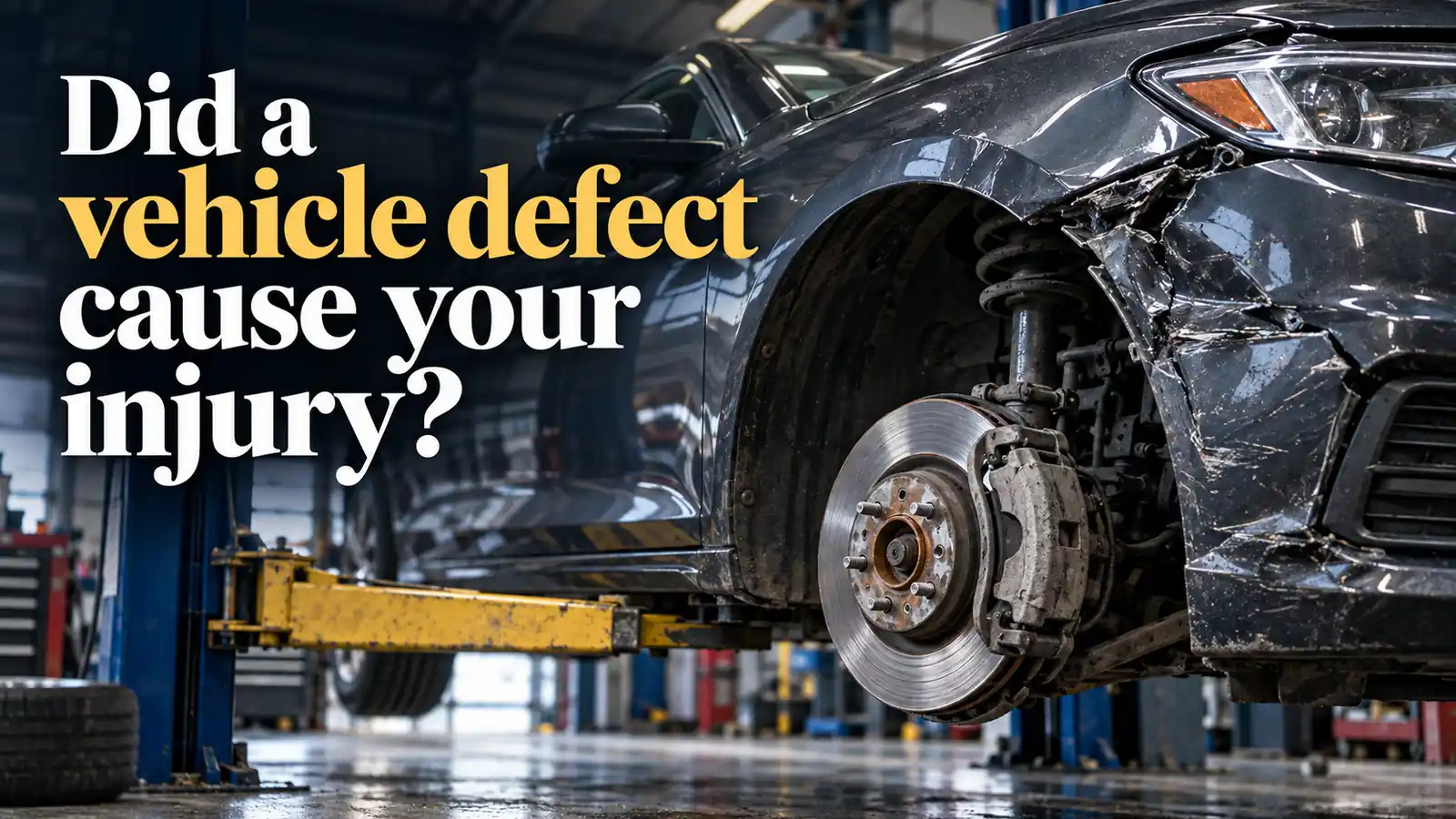
Did a Vehicle Defect Cause Your Michigan Crash or Make Your Injuries Worse?
A vehicle defect may cause a crash or worsen injuries. Learn what Michigan claims require and what to do before the vehicle is repaired or scrapped.
Injured in Michigan but Live in Another State: Who Pays?
A guide for out-of-state visitors sorting out medical bills, Michigan crash rules, and injury claims after returning home.
What if my injuries may affect me for years after a Michigan crash?
When crash injuries may affect you for years, track changing care and work needs and review the insurance and liability paths that fit your vehicle and role.
Can You Sue After a Hunting Accident During Michigan Deer Season?
How accidental hunting shootings, the applicable civil standard, hunting-rule violations and evidence affect an injury or wrongful death claim in Michigan.
Can You Sue a Freight Broker After a Michigan Truck Crash?
A freight broker can be sued after a Michigan truck crash, but arranging the load alone does not establish liability. Learn what federal and Michigan law require.
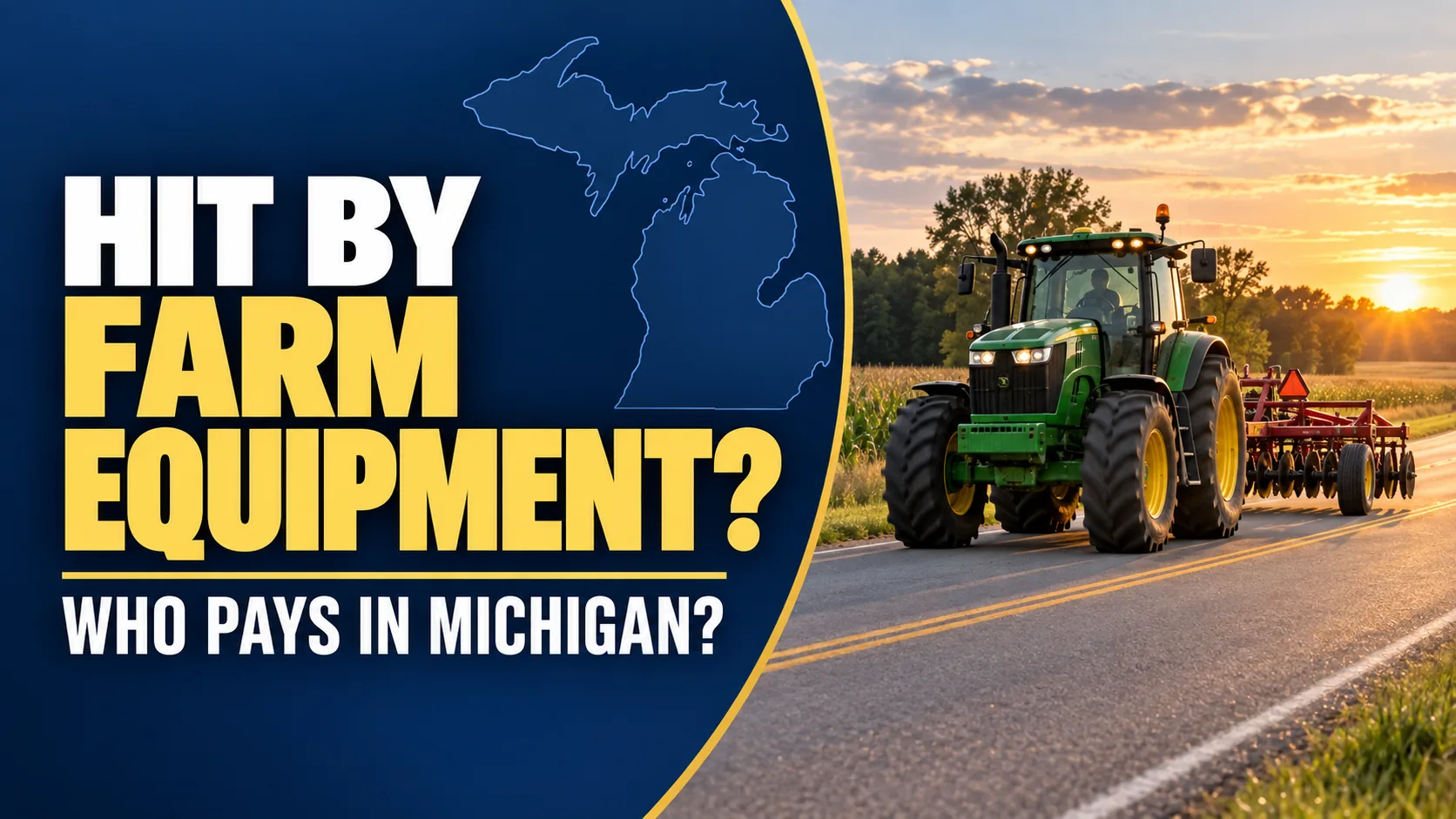
Hit by Farm Equipment on a Michigan Road: Who Pays?
Michigan no-fault insurance may pay eligible car occupants after a farm-equipment crash. A negligent operator or legally responsible owner may also owe damages.
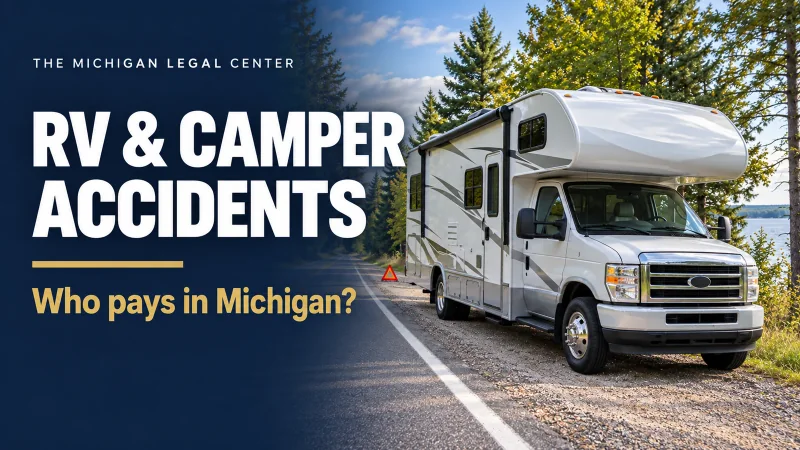
RV, Motorhome, and Camper Accidents in Michigan: Who Pays?
Which insurance applies after an injury involving a motorhome, travel trailer or camper in Michigan? Vehicle type, insurance and how the injury happened matter.
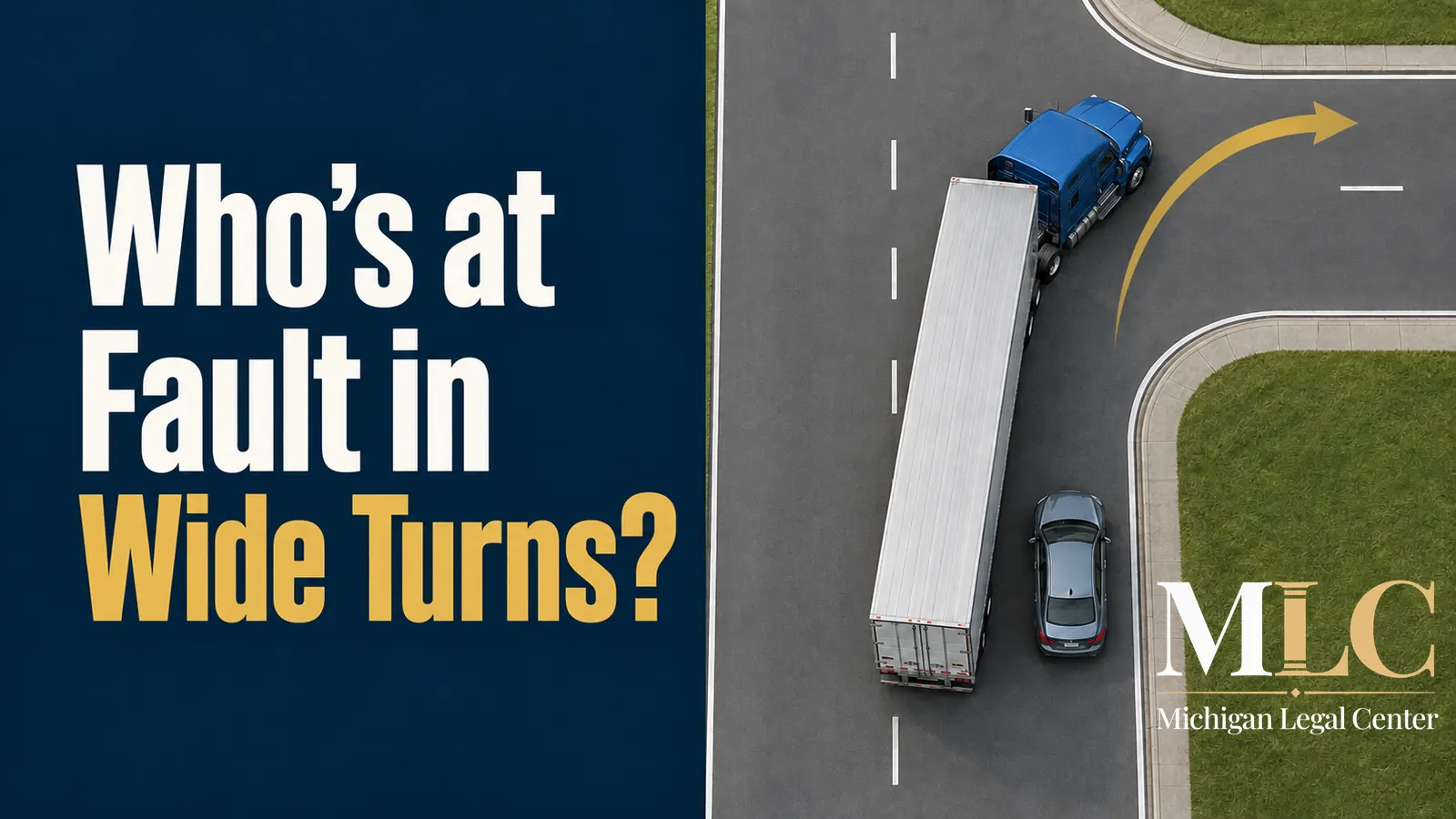
Hit by a Truck Making a Wide Turn in Michigan: Who Is at Fault?
How turning room, lane position, signals and passing on the right affect fault after a Michigan truck collision.
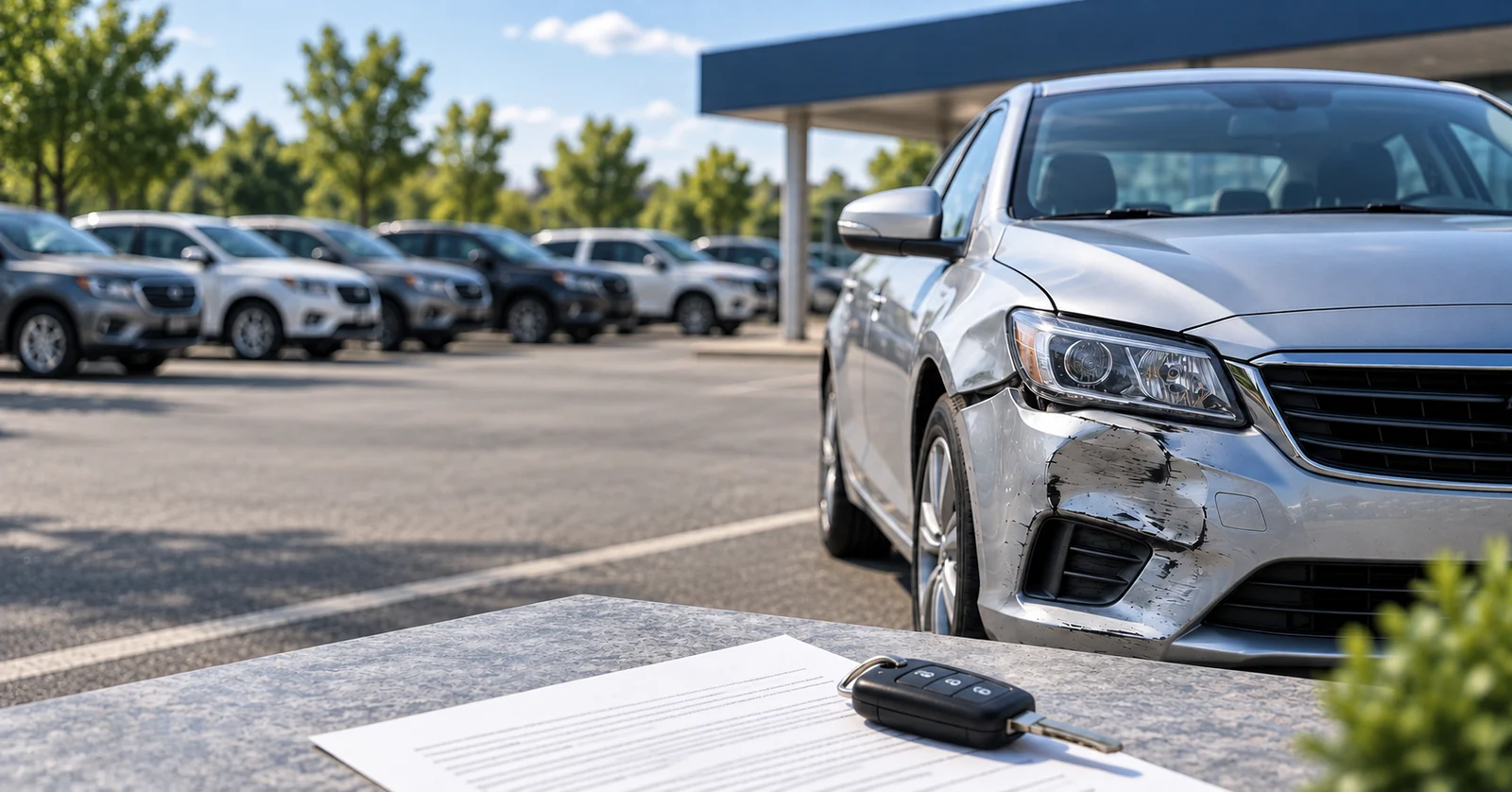
Injured in a Rental Car Accident in Michigan: Who Pays?
Who pays after a Michigan rental car accident? Understand injury coverage, rental-car protection, passenger claims and the deadlines that can affect your case.