
Michigan Head-On and Wrong-Way Accident Claims
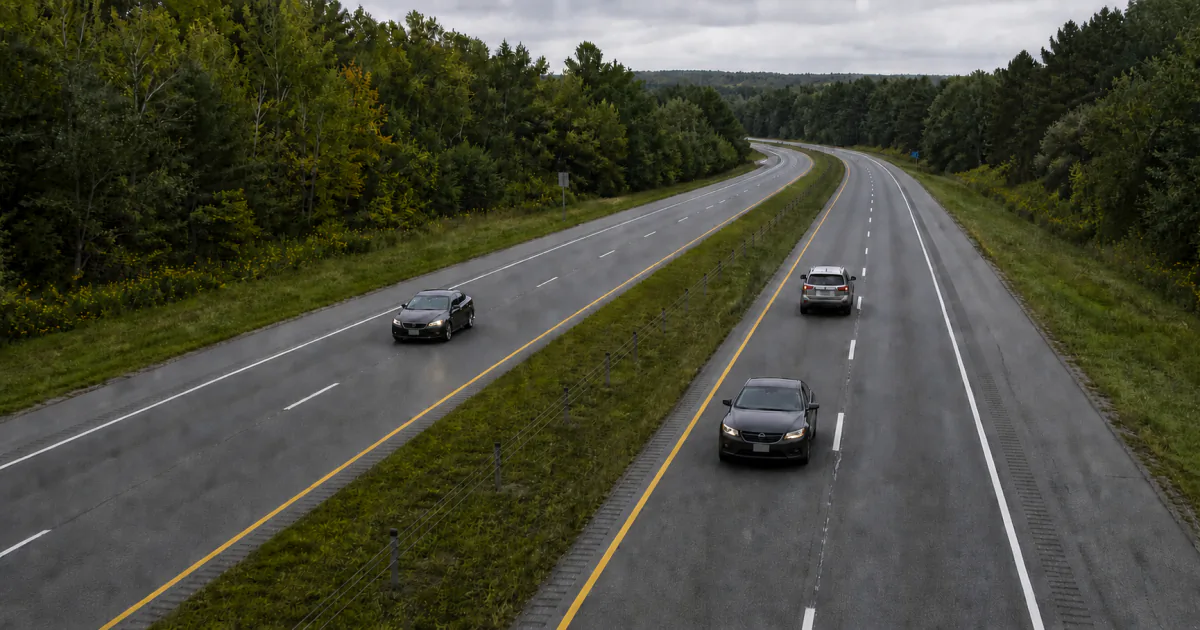
Usually, the driver who crossed the centerline or entered a one-way road against traffic is the leading liability target. But that conclusion is not automatic. Evidence must show how and why the vehicles entered opposing paths. Front-end damage, a crash label, a police report or a citation does not decide civil responsibility by itself. PIP benefits, liability claims and available insurance coverage remain separate.
How does Michigan law distinguish head-on and wrong-way crashes?
The Michigan State Police 2024 statewide report classifies crash type by the vehicles’ direction of travel before impact, not by the damaged area alone. It lists “Head On” as a crash type, while “Drove Wrong Way” and “Drove Left of Center” are hazardous actions.
A police report can record an officer’s observations, and a citation can identify an alleged violation. Neither one decides civil liability. An injured person still must prove negligent conduct, causation and compensable injury.
Michigan law generally requires a driver to use the right half of a sufficiently wide roadway, subject to exceptions that include lawful passing and an obstruction. On a roadway designated and signposted for one-way traffic, a vehicle must travel in the designated direction.
The roadway layout, signs, lane markings, traffic movements and reason a vehicle crossed into opposing traffic can all affect the outcome of a claim.
How do PIP benefits and a claim against the responsible driver differ?
Michigan personal injury protection (PIP) provides qualifying first-party benefits without regard to fault under MCL 500.3105.
Subject to the statute’s exceptions and limits, PIP benefits may cover reasonably necessary care, work loss and replacement services under MCL 500.3107.
A third-party claim requires proving that someone else is responsible for the injury. A claim for noneconomic damages requires death, serious impairment of body function or permanent serious disfigurement. The statute also permits certain claims for allowable expenses, work loss and survivor’s loss above applicable PIP medical-coverage limits or the daily, monthly and three-year limits in the No-Fault Act.
A violent impact does not by itself establish serious impairment or permanent disfigurement. Meeting an injury threshold also does not prove who caused the crash.
For the third-party claim, Michigan reduces damages based on the injured person’s percentage of fault. Noneconomic damages are unavailable if the injured person is more than 50% at fault under MCL 500.3135 and MCL 600.2959. An early accusation or citation does not set the final allocation. Comparative fault affects the liability claim, not qualifying PIP benefits.
The Michigan Legal Center’s discussion of PIP medical bills and insurer priority explains the broader first-party path.
Who may be responsible and what insurance coverage may apply?
The driver may not be the only person held responsible for the crash. Michigan’s owner-liability statute, MCL 257.401, can make a vehicle owner liable for injury caused by negligent operation. The vehicle must have been driven with the owner’s express or implied consent or knowledge, and statutory exceptions may apply.
Permission to use the vehicle, work being performed at the time and commercial vehicle involvement can affect which people or entities belong in the analysis. Employment or commercial involvement does not establish another entity’s liability by itself. No person or entity should be added to a claim without supporting facts.
Coverage questions are separate. Uninsured or underinsured motorist coverage may matter when the responsible driver cannot be identified or lacks sufficient insurance, subject to the policy’s definitions, notice requirements, reporting requirements and other conditions. The Michigan Legal Center’s coverage guide explains why the full policy and crash facts control.
What facts can change liability?
Evidence of impairment, missing or confusing road controls or a vehicle defect can change the liability analysis. Those facts may support a different claim or argument, but they do not establish one by themselves.
A sudden medical event does not automatically excuse a driver. In White v. Taylor Distributing Co., 482 Mich 136 (2008), the Michigan Supreme Court explained that an unexpected blackout may support a sudden-emergency argument. But the emergency must be totally unexpected and not of the driver’s own making. In Price v. Austin, 509 Mich 938 (2022), the Court reversed summary disposition because credibility questions remained about the claimed blackout and possible advance warning.
What evidence matters after a head-on or wrong-way crash?
Useful evidence can establish the timing, location, direction and movement of the crash. Original dashcam or nearby camera footage may show a driver’s movement or conduct. Scene photographs can preserve lane markings, signs, debris, tire marks, sight distance and the vehicles’ positions before conditions change.
Witness accounts, dispatch records, scene measurements and a vehicle inspection may help fill gaps that no single source can resolve.
Some vehicles have an event data recorder. The National Highway Traffic Safety Administration explains that an event data recorder may capture brief information from before, during and after a crash. Availability and recorded elements vary, so that information must be evaluated with the physical scene, vehicle damage, video, witness accounts and other records.
Outside footage can be overwritten, and vehicle evidence may be lost through repair, disposal or continued use.
What should you preserve now?
Keep originals and identifying information already safely available. Do not edit, compress, annotate or discard the original files:
- original video and photograph files, including dashcam, phone or connected vehicle recordings already available
- safe photographs already taken of vehicle damage and the roadway, including signs, lane markings, debris and visible marks
- witness names and contact information, plus the other vehicle’s known description, plate, travel direction or other identifying detail
- the police incident number and copies of police, dispatch or medical records already received
- policy documents, insurer communications and any offer or proposed release already received
Do not return to an unsafe scene or put yourself at risk to collect more evidence. Leave outside evidence collection, formal notices, vehicle inspections, insurer identification and deadline analysis to counsel.
How can The Michigan Legal Center help?
Outside video may be overwritten, or an early release may waive rights. The Michigan Legal Center can help protect the claim before those problems become harder to address.
Contact The Michigan Legal Center for a review of this type of crash. Our discussion of traffic camera and business video explains how outside footage may matter. Our attorneys can send preservation requests, arrange inspections and work with a qualified reconstruction professional when the dispute requires it.
Our attorneys can also analyze potentially responsible people and available coverage while keeping PIP separate from third-party claims. They can identify claim-specific notices and deadlines and review releases before they are signed.