
Michigan Nurses Association sues Sturgis Hospital over alleged WARN Act violation
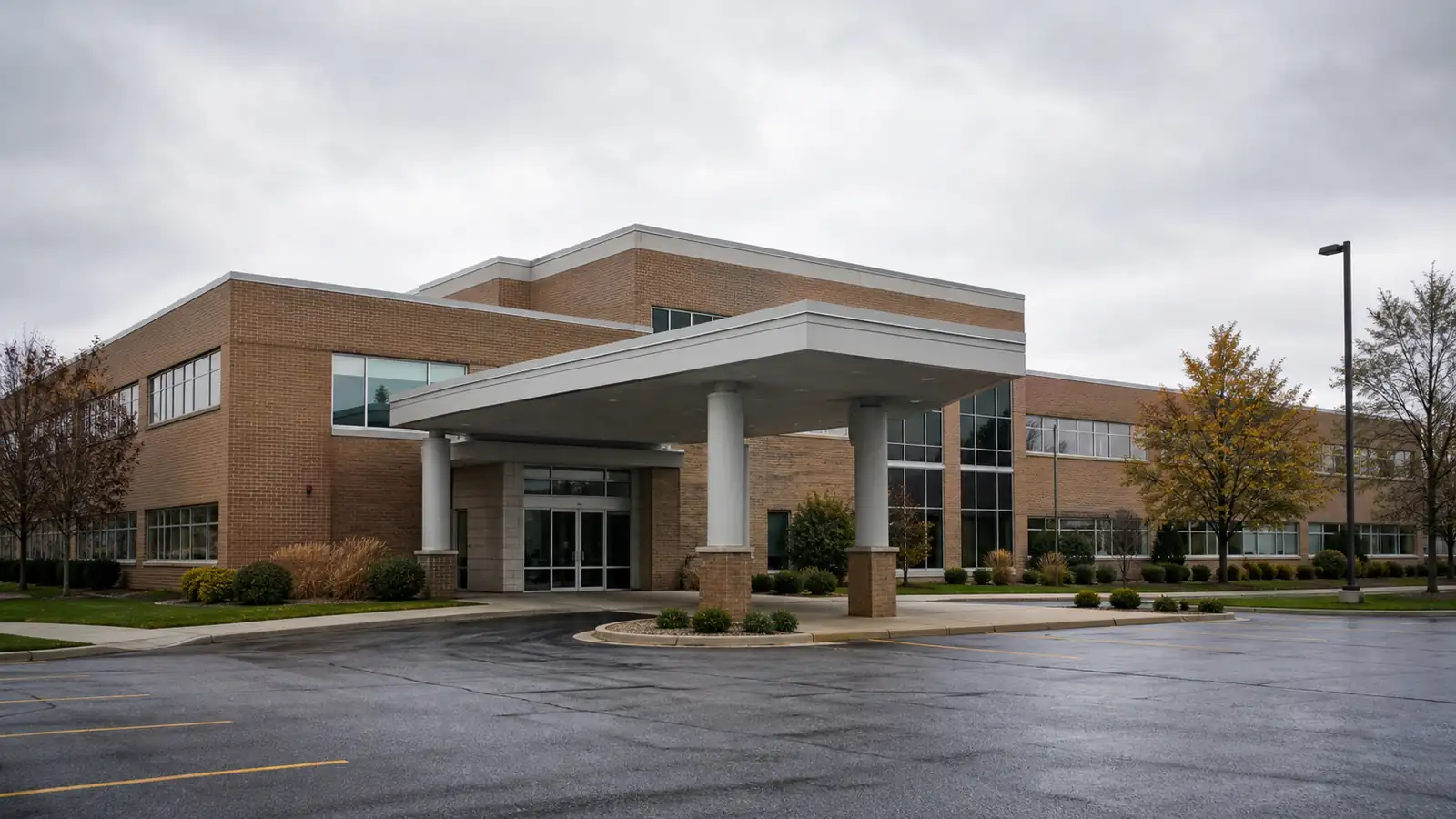
A mass layoff of an entire hospital nursing staff has led the Michigan Nurses Association to sue Sturgis Hospital.
Sturgis Hospital gave its unionized registered nurses only three days’ notice before the hospital closed and laid them off on June 19 of 2026. On July 10, the nurses association filed a complaint in the U.S. District Court for the Western District of Michigan.
The Hospital made the announcement on June 16 that all 17 nurses working there would be out of a job, just three days before it closed on June 19. The hospital said years of declining reimbursement rates, rising operating costs and decreasing patient use left it without a sustainable path forward.
Hospital leaders said they had considered acquisitions, partnerships and other options before deciding to close.
The union alleges the Hospital was a covered employer under the federal Worker Adjustment and Retraining Notification Act and that the shutdown resulted in enough employment losses to qualify as a covered plant closing.
The lawsuit claims the hospital should have provided 60 days’ written notice before the layoffs and did not qualify for an exception allowing a shorter notice period. The union is seeking back pay and employee benefits for the period of the alleged violation, along with attorney fees, court costs and other available relief.
The hospital submitted a WARN notice in June 2022 about a possible closure that could have affected approximately 194 employees. The hospital did not close in 2022. The union has cited that earlier notice while arguing the hospital knew how to use the WARN process before its final closure.
The lawsuit remains pending and allegations have not been proven.
The case is Michigan Nurses Association v. Sturgis Hospital Inc., No. 1:26-cv-02052.
What does the WARN Act require before a Michigan hospital closes?
The federal WARN Act generally requires a covered employer to provide 60 days’ written notice before a qualifying plant closing or mass layoff. Notice must generally be provided to affected employees or their union representative, the state dislocated worker unit and the appropriate local government official.
A plant closing generally involves the shutdown of a single employment site, facility or operating unit that causes employment losses for at least 50 qualifying employees during a 30-day period.
Coverage depends on the statutory definitions, employee work histories and the number of qualifying employment losses. A company’s total head count does not always answer the question by itself.
When can an employer provide less than 60 days’ notice?
Federal law recognizes three circumstances that may allow an employer to shorten the notice period:
- A faltering company may qualify when it was actively seeking capital or business that could have prevented or postponed a shutdown and reasonably believed advance notice would interfere with those efforts.
- An employer may qualify when a closing or mass layoff was caused by business circumstances that were not reasonably foreseeable when notice would have been required.
- A closing or mass layoff may qualify when it was the direct result of a natural disaster.
An employer must still provide notice and give a brief statement explaining why the notice period was reduced.
Longstanding financial problems do not automatically establish or defeat an exception. A court may need to determine what the employer knew when notice would have been due, what caused the final closing and whether the employer satisfied every requirement of the claimed exception.
What can employees recover after a WARN Act violation?
Under 29 U.S.C. Section 2104, an employer found liable may be required to pay affected employees back pay and the value of covered employee benefits for the period of the violation, up to 60 days.
Payments already made to employees may reduce the amount owed. A court may also reduce liability if the employer proves it acted in good faith and had reasonable grounds to believe it was complying with the law.
The law provides financial remedies after a violation but cannot require a financially troubled employer to stay open.
Workers seeking advice about a possible WARN Act violation should speak with an attorney who handles federal employment law.
Get help from Michigan Legal Center
Michigan Legal Center is the Law Offices of Christopher J. Trainor & Associates. Our attorneys help injured people and families across Michigan with personal injury, civil rights, serious injury claims and wrongful death cases.
To ask whether Michigan Legal Center handles your type of matter, call (248) 886-8650 or contact Michigan Legal Center for a consultation.
There is no attorney fee unless money is recovered for you. Case costs and fee terms are governed by the written fee agreement.
Learn more through Michigan Legal Center’s personal injury claims page or request an online case evaluation.