
What to Do After a Michigan Car Accident: Step-by-Step Guide
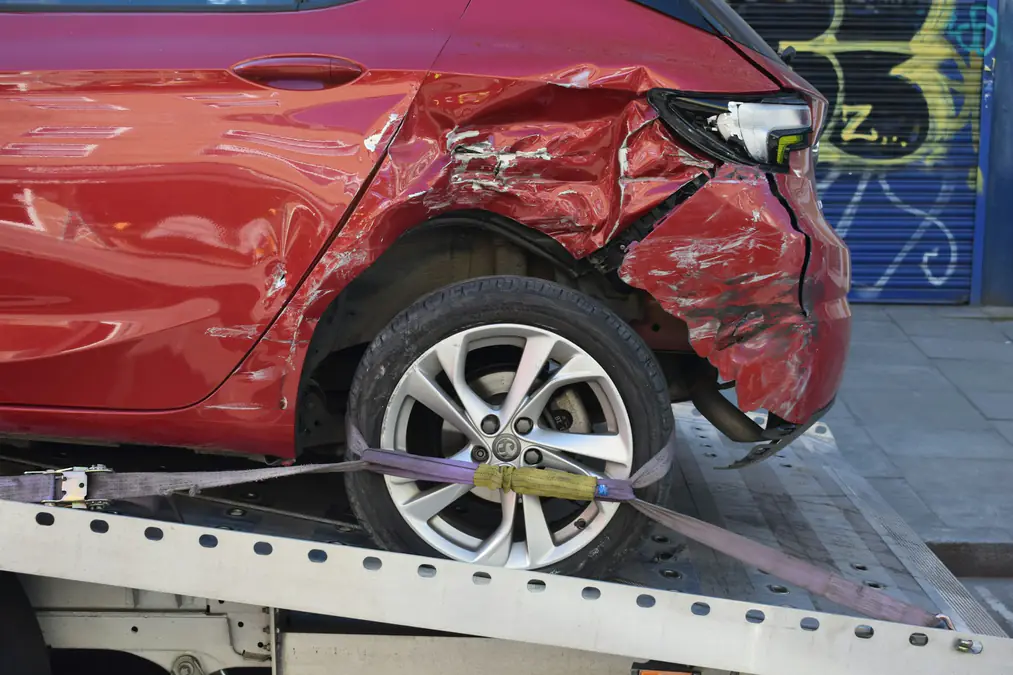
What should I do after a car accident in Michigan?
After a car accident in Michigan, immediately take the following five steps:
Prioritize safety. Turn on your hazard lights, move to a safe location if possible, and check for any injuries. Do not leave the scene. Under MCL 257.618, leaving the scene of an accident is a criminal offense in Michigan.
Call for help when needed. Call 911 for an emergency or when an officer is needed at the scene. Michigan requires prompt reporting when a crash causes injury, death, or apparently $1,000 or more in property damage. Ask the responding agency how to get the report number.
Exchange and document the information. Photograph the other driver's license, insurance card, and license plate. Note the make, model, and color of all vehicles involved.
Pay attention to injuries. Call 911 for emergency symptoms. Seek prompt medical advice if you are hurt or symptoms appear, even later; a clinician can tell you what evaluation is needed. Keep records of symptoms and care for any insurance claim.
Contact a Michigan car accident attorney before signing anything. Initial settlement offers from insurance companies rarely account for future medical costs, lost income, or pain and suffering.
Call the Michigan Legal Center, Law Offices of Christopher Trainor & Associates at (248) 886-8650 for a free consultation.
A car accident can instantly disrupt life, leaving victims shaken, injured, and often bewildered by the immediate legal and practical steps required. Many are unaware of their rights or the critical actions needed to protect their claim.
This comprehensive guide is specifically designed for anyone involved in a Michigan car accident, offering a clear, actionable roadmap to protect your legal rights and secure fair compensation.
Whether you're dealing with minor damage or significant injuries, understanding these critical steps is essential in Michigan's complex no-fault system.
This guide provides general information, not legal advice. Every case is unique. For personalized guidance on your specific situation, please contact us for a free consultation. Full disclaimer at the end of this document.
Step 1: Safety First
First and foremost, protect your life and the lives of everyone at the scene. This isn't the time to worry about liability or insurance. It's a moment to be calm, clear-headed, and deliberate.
Step #1 Quick Checklist: Safety First
- Turn on your hazard lights immediately
- Move vehicles out of traffic if it's safe to do so
- Check yourself and all passengers for injuries
- Stay at the scene. Leaving is a criminal offense under MCL 257.618.
- Call 911 if anyone needs emergency help; report a crash that meets Michigan's reporting rule
Should I Move My Car After a Michigan Accident?
If your vehicle is drivable and its position creates a danger to other drivers, move it to the shoulder or a nearby safe area. However, if there's significant damage (e.g., over $1,000), serious injury, or death, leave the vehicles in place for law enforcement to investigate. If it is not safe to move, leave the vehicle and take yourself and your passengers to a safe location away from traffic.
Don't move the vehicle if anyone is seriously injured. Preserve the scene for law enforcement.
Important: Michigan law requires you to remain at the scene. Under MCL 257.618, leaving the scene of an accident that results in an injury or death is a felony. Even if the accident seems minor, leaving before exchanging information and speaking with the police can result in criminal charges. Stay. Wait. Cooperate calmly with law enforcement.
Step 2: Call the Police
Call 911 for an emergency or when a police response is needed at the scene. Under MCL 257.622, promptly report a crash involving injury, death, or apparently $1,000 or more in property damage to a police officer or the nearest police station. If you are unsure whether the rule applies, ask local police. A report can help document what happened, but it does not decide fault by itself.
Step #2 Quick Checklist: Call the Police
- Call 911 for an emergency or when an officer is needed; ask police how to report a qualifying crash
- Request emergency medical help for serious symptoms or injuries
- Get the responding officer's name and badge number
- Answer only basic factual questions. Don't speculate or assign blame.
- Get the police report number before you leave the scene
What Should I Say to the Police at the Scene of the Accident?
Answer the officer's questions factually and calmly. Provide your name, license, registration, and insurance information. Describe what you observed: the direction you were traveling, the road conditions, and what you saw happen.
Don't say you're fine if you aren't. Don't say you're sorry. Don't speculate about who was at fault. Any statement you make at the scene can appear in the police report and can later be used to limit your compensation claim.
Why the Police Report Matters in Michigan
Michigan No-Fault insurance (MCL 500.3101 et seq.) pays your medical bills regardless of fault. However, the police report establishes a factual record. This record becomes critical if your injuries qualify for a third-party pain and suffering claim under MCL 500.3135, which requires proof that the other driver's negligence caused a serious impairment of body function.
Without a police report, proving this threshold becomes substantially more difficult.
Step 3: Exchange Information
Documentation at the scene protects you when memories fade and the other driver's account changes. Use your phone. Photograph everything.
Step #3 Quick Checklist: Exchange Information
- Get the other driver's full name and phone number
- Record their home address and email address if possible
- Photograph their driver's license and insurance card
- Note the license plate, make, model, and color of every vehicle involved
- Get the insurance company name and policy number
- Note the number of passengers in the other vehicle
- Photograph all vehicle damage from multiple angles
- Photograph skid marks, traffic signals, road conditions, and debris
- Get names and contact information for all witnesses
What to Photograph at the Michigan Accident Scene
Your phone camera is one of the most powerful tools. Here is what to capture before you leave.
- Both vehicles from multiple angles, including damage and overall positioning
- The other driver's license, insurance card, and license plate
- The surrounding area: traffic signals, stop signs, road markings, skid marks
- Any visible injuries on yourself or your passengers
- Road conditions, weather, and visibility
- Any surveillance cameras on nearby businesses or intersections
If you are too injured to document the scene yourself, ask a passenger or bystander to take photos for you.
Should I Talk to Witnesses?
Yes. Introduce yourself, thank them for stopping, and ask for their names and phone numbers. A full statement at the scene is not required. What you need is contact information so that your attorney can reach them later if the case goes to dispute.
Step 4: Seek Medical Care
This is the step that most accident victims get wrong. They felt shaken but were fine at the scene. They go home. Two days later, neck pain began. A week later, they could not turn their head without experiencing shooting pain down their arm.
In Michigan, gaps in medical treatment provide insurance companies with exactly what they need to argue that your injuries were not caused by the accident. Do not give them that opportunity.
Step #4 Quick Checklist: Seek Medical Care
- Seek prompt medical advice for injuries or symptoms; use emergency care for emergency symptoms
- Tell your doctor every symptom, including headaches, dizziness, stiffness, or numbness
- Call EMS for serious injuries or emergency symptoms
- Be honest with your doctor. Tell them the accident caused your symptoms.
- Discuss your treatment plan and any difficulty following it with your clinician
- Keep every medical bill, record, prescription, and receipt
What if symptoms appear after the crash?
Some symptoms can appear or become clearer after the crash. If you develop pain, dizziness, numbness, weakness, or other concerns, seek medical advice promptly. Call 911 for emergency symptoms.
Tell your clinician when symptoms began and how they changed. Medical records can help document the history, but a visit on any particular day does not by itself prove that the crash caused a condition.
Michigan No-Fault Insurance Covers Your Medical Bills
Michigan No-Fault PIP may pay allowable accident-related medical expenses regardless of who caused the crash. The responsible insurer, eligibility, and medical coverage limit depend on the facts and policies under MCL 500.3101 et seq.. Depending on those facts, benefits may include:
- Emergency room and hospital costs
- Ongoing doctor visits, physical therapy, and specialist care
- Prescription medications
- Attendant care if your injuries require it
- Lost wages if your injuries prevent you from working
Your PIP coverage level depends on the policy you selected when purchasing or renewing your auto insurance. If you are unsure of what your policy covers, this is one of the first things we will review with you in a free consultation.
Can I Sue for Pain and Suffering After a Car Accident in Michigan?
Yes, but Michigan's threshold statute (MCL 500.3135) requires you to prove that the other driver's negligence caused a "serious impairment of body function" that affects your ability to lead your normal life. Therefore, medical documentation is crucial.
Cases that have cleared this threshold in Michigan courts include severe whiplash with documented nerve damage, back injuries requiring surgery, traumatic brain injury, and permanent scarring or disfigurement.
Step 5: Call an Attorney Before You Sign Anything
This critical step is often overlooked, but it can protect your financial future.
Here is what happens after a Michigan car accident that most people do not expect: an insurance adjuster will call within 24 to 48 hours. They are friendly. They ask how you feel. They may offer settlements.
However, this offer is almost never sufficient. Initial settlement offers rarely account for future medical costs, lost earning capacity, or the full scope of your pain and suffering. Once you sign, you cannot go back to the previous state.
Step #5 Quick Checklist: Call an Attorney
- Call before signing anything from any insurer, including your own
- Do not accept the first settlement offer
- Do not give a recorded statement to any insurer without an attorney present
- Do not post about the accident or your injuries on social media
- Contact the Law Offices Christopher Trainor & Associates at the Michigan Legal Center for a free consultation
- No matter where you are, we come to you: your home, the hospital, or any location that is most convenient and comfortable for you. No fees unless we win your case.
Why Insurance Companies Call So Quickly
Insurance adjusters do not call to help you. They are calling to gather information that limits what they have to pay for. A recorded statement made before you understand the full extent of your injuries, before you know what your medical treatment will cost, and before you have legal counsel can be used to minimize your claim.
We wrote an entire blog post on this tactic: Why Insurance Adjusters Call Within 24 Hours
What a Michigan Car Accident Attorney Actually Does
While this guide provides essential initial steps, contacting Christopher Trainor and his team at the Michigan Legal Center ensures comprehensive advocacy far beyond just paperwork, building on the foundation laid here. Here is what we do:
- Review your police report, medical records, and insurance policy from day one
- Calculate the real value of your claim, including future medical costs and lost income
- Handle all communication with every insurance company so you do not have to
- Investigate the accident independently when the facts are in dispute
- Take your case to trial if the insurance company refuses a fair settlement
We have recovered more than $300 million for Michigan's accident victims. When an insurer knows who is on the other side of the table, negotiations change.
What the Michigan Legal Center Has Won for Michigan Accident Victims
Our record does not exist in a press release. It lives in the courtrooms across Michigan. These are some of what we have achieved for people who were told they could not win.
- $6.2 million total judgment in a civil rights case involving officer-inflicted injury
- $5.8 million verdict when a police officer fractured a man's neck outside his own home
- $4.91 million jury verdict in a police misconduct case
- $300 million+ recovered across personal injury cases in Michigan
These outcomes reflect accountability. Call (248) 886-8650.
While this guide equips you with essential initial steps, navigating the full complexities of a Michigan car accident claim requires experienced legal counsel. Christopher Trainor and his team of attorneys at the Michigan Legal Center stand ready to build upon this foundation. They all offer comprehensive advocacy and a proven track record.
Watch What You Say After a Michigan Car Accident
Every word you say after an accident, at the scene, to the other driver, to the insurance adjuster, and on social media can be used to dispute or reduce your claim. The following must be avoided:
| Do Not Say or Do | Do This Instead |
|---|---|
| "I'm fine" or "I'm okay" at the scene | Answer only basic factual questions at the scene |
| "I'm sorry" or "This was my fault" | Tell the officer what you observed, not who you think was at fault |
| Speculate about what happened or who was at fault | Call an attorney before speaking with the other driver's insurer |
| Give a recorded statement to any insurer without your attorney | Keep your social media accounts private and inactive until your case resolves |
| Sign any release or settlement paperwork before consulting an attorney | Document everything in writing rather than in verbal statements |
| Post photos, videos, or status updates about the accident on social media | Save every medical bill, receipt, and correspondence related to the accident |
| Accept a first settlement offer | Follow your treatment plan without exception |
Michigan Car Accident Law: What Makes Our State Different
Michigan has one of the most complex auto-insurance frameworks in the country. Understanding how it works after an accident is not optional. It directly determines the benefits you can access and the claims you can make.
Michigan No-Fault Insurance (MCL 500.3101)
Michigan is a No-Fault state, which means that your insurance covers your medical expenses and lost wages after an accident, regardless of who caused the crash. You file with your own insurer first, not the at-fault driver's.
The 2019 Michigan No-Fault reform (PA 21 of 2019) changed the PIP coverage tiers, which means that your coverage limits depend on the plan you or your household selects. Many Michigan drivers do not know exactly what they have until they need it.
When You Can Sue the At-Fault Driver in Michigan
To pursue a pain and suffering claim against the driver who caused your accident, your injuries must meet the serious impairment of body function threshold under MCL 500.3135. Michigan courts have defined this as an objectively manifested impairment that affects a person's general ability to lead a normal life.
This is a legal standard, not a medical standard. An attorney who knows Michigan's threshold case law knows how to build evidence that meets it.
What If the Other Driver Has No Insurance?
Michigan has a high rate of uninsured motorists. If you are hit by a driver without insurance, your own Uninsured Motorist (UM) coverage may apply, along with your No-Fault PIP benefits.
Michigan Statute of Limitations for Car Accident Claims
Under MCL 600.5805, Michigan's general personal injury lawsuit deadline is often three years from the injury. No-Fault PIP timing is separate: MCL 500.3145 generally requires a PIP benefits lawsuit within one year of the crash unless timely written injury notice or a prior PIP payment permits later filing. Additional one-year and claim-specific tolling rules can limit recovery.
These deadlines are inflexible. Missing them can end your ability to recover anything, regardless of how strong your case.
Frequently Asked Questions About Michigan Car Accidents
Is a police report required for a minor car accident in Michigan?
Not every minor crash requires a police report. Michigan requires a prompt report when a crash involves injury, death, or apparently $1,000 or more in property damage (MCL 257.622). A police report creates an objective record that becomes critical if an insurance dispute arises later.
How long do I have to file a car accident lawsuit in Michigan?
In Michigan, the general personal injury lawsuit deadline is often three years from the injury (MCL 600.5805). A No-Fault PIP benefits lawsuit generally must begin within one year of the crash unless timely written injury notice or a prior PIP payment permits later filing under MCL 500.3145. Later filing and recoverable-loss rules still apply. Get individual advice promptly.
What if I am partially at fault for the accident in Michigan?
Being partly at fault does not automatically end every Michigan injury claim. Under the general rule in MCL 600.2959 and Michigan's comparative-fault framework, damages are reduced by the injured person's percentage of fault. If that percentage is more than 50%, economic damages remain proportionally reduced while noneconomic damages are not awarded. No-Fault PIP and special claim rules are separate. Police reports, witness accounts, and scene documentation can matter, but no single item sets the civil percentage by itself.
Can I receive compensation for a car accident that was not my fault if I do not have health insurance?
Yes. Michigan No-Fault PIP benefits cover your medical expenses regardless of who caused the accident and regardless of whether you have health insurance. Under Michigan law, your auto insurance is the primary payer for accident-related medical costs. If your PIP coverage has been exhausted or disputed, please contact us to discuss your options.
Should I accept the first settlement offer from the insurance company?
Almost never. Initial settlement offers are designed to close your case quickly and cheaply, before the full extent of your injuries and future medical costs are known. Once you accept a settlement and sign a release, you cannot reopen your claim. Call the Michigan Legal Center, Law Offices of Christopher Trainor & Associates, at (248) 886-8650 before signing anything.
What if I am hit by an uninsured driver in Michigan?
If the at-fault driver had no insurance, your Uninsured Motorist coverage may apply, along with your No-Fault PIP benefits. If you lack UM coverage, alternative options may be available based on your case's specifics. We review every angle during a free consultation.
How much does it cost to hire a Michigan car accident attorney?
Nothing upfront. Christopher Trainor and his team at the Michigan Legal Center work on a contingency fee basis, which means we are not paid unless we win your case. Your free consultation will cost you nothing. If we take your case and win, our fee will be deducted from the settlement or verdict. If we do not recover, you owe us nothing.
Key Takeaways: Your Immediate Steps After a Michigan Car Accident
- Safety First: Prioritize safety, move your vehicle if safe, and remain at the scene as required by law.
- Report the crash: Contact police promptly when injury, death, or apparently $1,000 or more in property damage triggers Michigan's reporting rule.
- Exchange Information & Document: Gather contact details, take extensive photos, and speak to witnesses.
- Pay attention to symptoms: Seek prompt medical advice for injuries or new symptoms; call 911 for an emergency.
- Call an Attorney: Protect your rights by consulting with an attorney before speaking to insurance adjusters or signing any documents.
You Did Not Cause This. You Should Not Have to Fight It Alone.
The aftermath of a Michigan car accident is overwhelming, but you don't have to face it alone. Christopher Trainor and the Michigan Legal Center are here to ensure your rights are protected and you receive the compensation you deserve.
You have rights under Michigan law. What you need is someone who knows exactly how to use them.
Christopher Trainor and his team at the Michigan Legal Center have spent decades holding insurance companies, negligent drivers, and institutions accountable across Michigan. We have recovered more than $300 million for people who were told that their cases were not worth it.
Call us. It costs nothing to determine your position.
About Christopher Trainor and the Michigan Legal Center
For decades, Christopher Trainor and his dedicated team at the Michigan Legal Center have been steadfast advocates for accident victims across Michigan. With a deep understanding of Michigan's intricate legal landscape and a relentless commitment to justice, we have successfully recovered over $300 million for our clients, helping them rebuild their lives after devastating accidents. Our firm is built on a foundation of aggressive representation, compassionate client care, and a proven track record of holding negligent parties and insurance companies accountable.
Michigan law, including the Michigan No-Fault Act and applicable statutes of limitations, changes over time. While we work to keep our content accurate and current, we cannot guarantee that every article reflects the most recent legal developments at the time you read it.
Legal deadlines in Michigan are strict. Missing a filing window can permanently bar your claim. If you have questions about your timeline, call us before that window closes.