$5.2MJury verdict
Teacher rear-ended by a city work van
A teacher suffered brain and spinal injuries when a Detroit city van hit his stopped car. The City offered $25,000 before trial; a Wayne County jury awarded $5.2 million.
Read the case story
If you were hurt in a crash involving a U-Haul or another rented moving truck, the name on the door tells only part of the story. We identify who rented and drove it, then check which insurance policies may cover your injuries.
Tell us what happened and how the injury has affected you. We can review your concerns and explain whether we can help. The consultation is free.
You can ask for a review even if the driver, rental business, and insurers disagree about responsibility.
Question 1 of 5
Your answers are shared with our office only if you submit a case review.
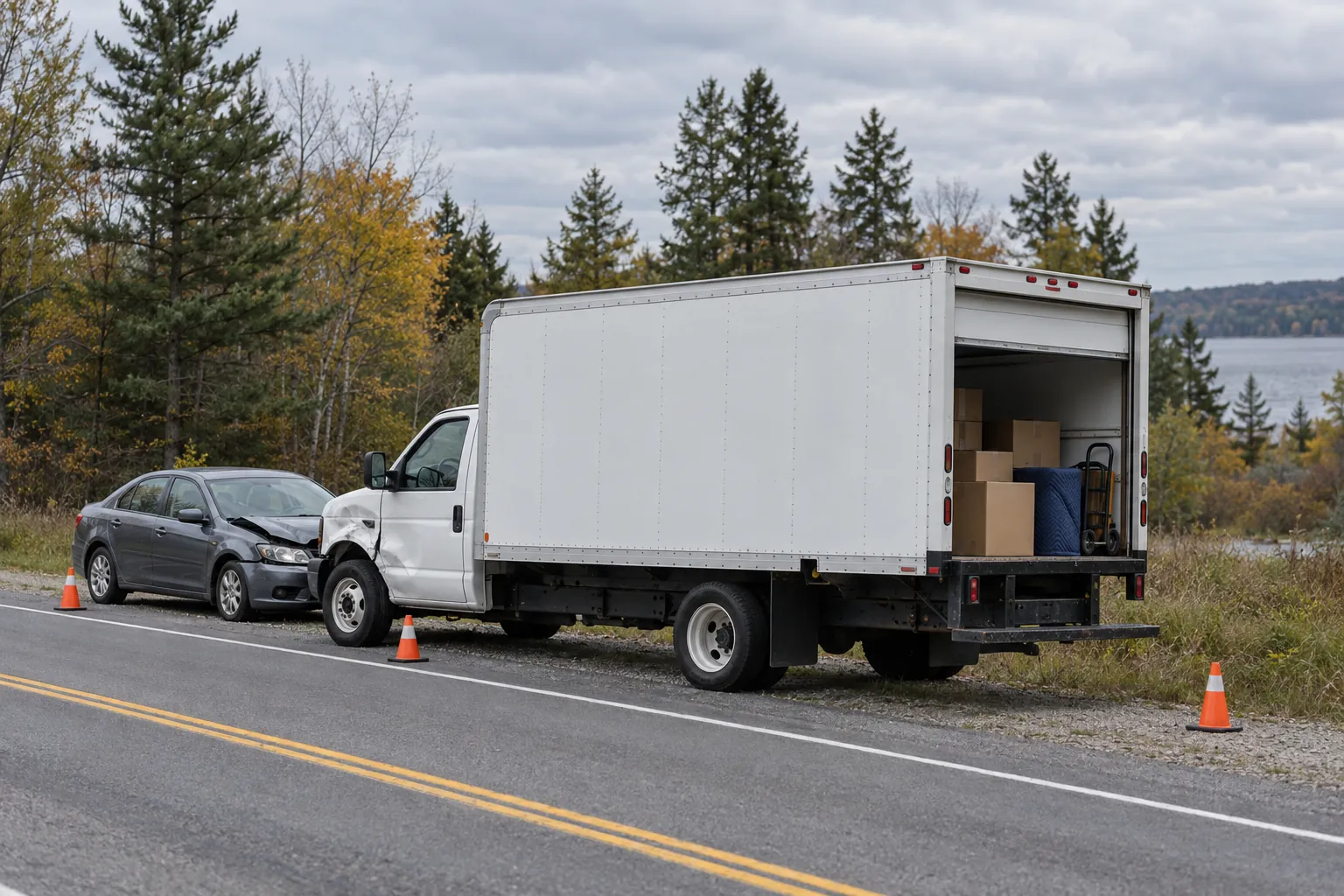
The Michigan Legal Center reviews moving and rental truck injuries across Michigan. Our team starts with the facts you know and identifies what needs investigation.
Medical care, missed work, and insurance questions can turn a move into much more than a disrupted trip. Whether you rented the truck, rode along, or were hit by it, we can review what happened and explain whether we can help.
You do not need every rental document or the correct company name before contacting us. Start with what happened to you and the injuries you are dealing with.
The vehicle’s use helps identify the evidence and insurance questions. If you are unsure who operated it, you can still ask for a review.
Keep what you already have and gather more only when it is safe. An attorney can seek company records and arrange preservation or inspection through the appropriate process.
You do not need every record before asking for help. Save the photos, messages, and documents you already have. The company-held records below are items a lawyer may seek through preservation requests and the legal process.
Identify the renter, authorized drivers, rental business, dates, and coverage selected.
Records the investigation may need: Agreement, receipt, pickup location, confirmation emails, protection-plan documents, and insurer letters.
Connect the correct vehicle to its condition before and after the crash.
Records the investigation may need: Plate, fleet or unit number, VIN if safely available, damage photos, warning lights, defect complaints, and repair information.
Work out how the vehicles moved and who loaded or secured the cargo.
Records the investigation may need: Dashcam, witnesses, police report number, scene photos, mover invoice, loading photos, and ramp or tie-down details.
Document treatment, work loss, and changes to ordinary activities.
Records the investigation may need: Medical records, bills, wage records, care needs, and a dated account of symptoms and limitations.
Tell us about your treatment, symptoms, and the work or daily activities the injury has affected.
We can review insurer calls, rental paperwork, and a settlement offer to help explain the next step.
We look at the driver, the truck, and any moving-business involvement. A company name alone does not decide fault.
We review injury claims involving these and other moving or rental trucks. Tell us your role, where the crash happened, and the injuries. Naming a brand does not establish which company or driver is legally responsible.
Usually, ownership alone is not enough when the Graves Amendment applies. A rental company’s own negligence needs separate evidence and legal analysis. A claim against the responsible driver or another party may still be available.
You can still request an injury review. Another driver or an equipment problem may have caused or contributed to the injury. Your driving conduct, insurance, rental agreement, and the evidence all need review.
That depends on what was purchased and the applicable policy language. A truck-damage waiver, supplemental liability policy, and accident coverage serve different purposes. Michigan No-Fault eligibility is a separate question.
Keep copies of the agreement, unit number, photos, messages, and defect reports, and seek prompt advice about an inspection or preservation request. Follow lawful rental obligations and do not delay emergency care, enter traffic, or alter unsafe equipment to gather proof.
No. Licensing and motor-carrier rules depend on the vehicle and its use. A personal household move and a commercial freight trip should not be treated as the same operation merely because both use a box truck.
This page focuses on personal injury and wrongful death. For a billing dispute or damaged belongings without an injury, start with the rental business and the applicable insurer or consumer complaint process.
The initial case review is free. If we accept the case, attorney fees and costs are explained in a written agreement. There is no attorney fee unless there is a recovery, under the terms of that agreement.
This page covers injury claims involving U-Haul, Penske, Ryder, Enterprise Truck Rental, Budget Truck Rental, and other moving or rental trucks. These are examples; no affiliation or wrongdoing by any company is implied.
The driver’s actions, truck condition, and any moving-business involvement need investigation. Photograph the company markings and unit number from a safe location.
Another driver, unsafe equipment, or another cause may have contributed. Renting or driving the truck does not by itself decide fault or eligibility for benefits.
Identify who hired the crew, who employed or contracted with the driver, and who controlled loading. A rental business and a moving service may be different companies.
A loading injury needs its own analysis. It is not automatically a covered No-Fault injury; equipment, employment, and other negligence issues may matter.
A Michigan moving or rental truck injury claim can involve driver negligence, rental-business protections, a company’s own conduct, No-Fault eligibility, bodily injury damages, and policy-specific coverage.
49 U.S.C. § 30106 generally bars state-law liability based only on ownership when the owner is in the rental or leasing business and has no negligence or criminal wrongdoing. It does not erase a supported claim based on the company’s own negligence or applicable state financial-responsibility requirements. The driver’s conduct remains a separate question.
MCL 257.401 addresses owners, permission to drive, and lessors. It must be read together with federal rental protections. A short rental agreement or a company logo alone does not establish a right to recover against the owner.
MCL 500.3114 addresses PIP priority, including household coverage and specific exceptions. A person hit while outside a vehicle may need review under MCL 500.3115. Eligibility, coverage selections, exclusions, residency, and vehicle use require individual review.
MCL 500.3135 permits specified motor-vehicle tort claims. Pain-and-suffering recovery generally requires death, permanent serious disfigurement, or serious impairment of body function. Fault and medical proof matter; economic losses are recoverable only to the extent Michigan law allows.
A waiver concerning damage to the rented truck is different from liability coverage for injuries to another person. Review the signed agreement, any supplemental protection, personal auto policy, employer coverage, limits, exclusions, and notice terms. Product names alone do not establish coverage.
MCL 500.3145 includes PIP notice, lawsuit, and benefit-recovery timing rules. Other claims and policies can have different deadlines. Do not wait for the truck’s return inspection or a rental-company investigation before getting advice.
ELD, vehicle, driver, maintenance, video, cargo, and carrier records that can disappear after a crash.
How PIP priority and insurance responsibility are sorted after motor-vehicle injuries.