
Injured in a Rental Car Accident in Michigan: Who Pays?
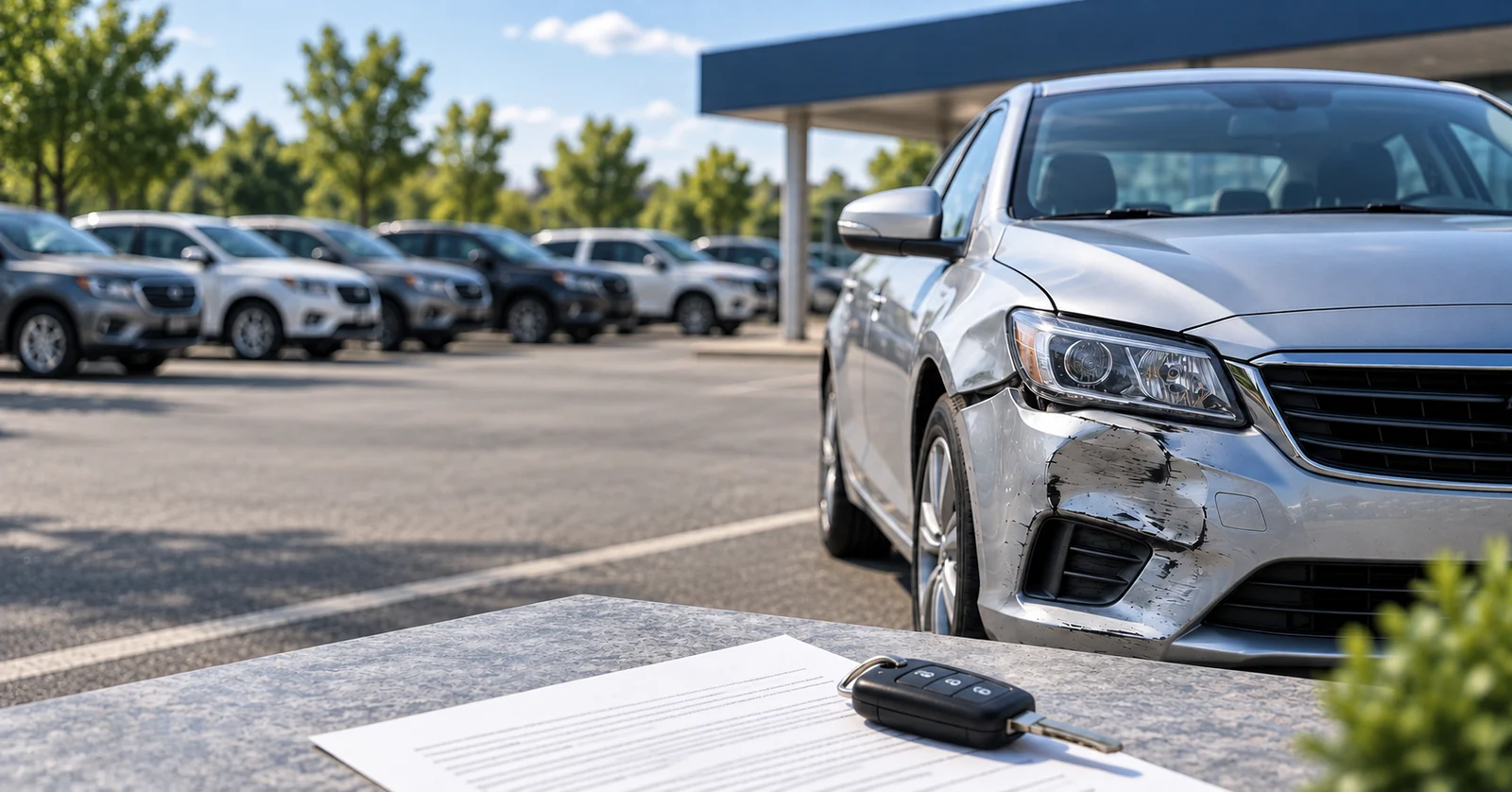
A car accident can leave you dealing with medical bills, missed work and other expenses. If it happened in a rental car, figuring out who pays can feel even more confusing.
If you qualify, Michigan’s personal injury protection (PIP) benefits can help pay medical bills and lost wages. Damage to the rental car and claims against the driver who caused the crash are separate issues. Have an attorney review your claim paperwork before signing a settlement release or agreeing to disputed charges.
Who pays your medical bills and lost wages?
For an ordinary personal rental, start with your own PIP policy or a spouse’s policy that covers you. Coverage may also come from a relative if your legal home is in the same household. Simply sharing an address is not enough under Michigan’s PIP coverage rules.
Special rules apply to some vehicles owned or registered by an employer. A rental for a business trip needs its own coverage review.
PIP benefits apply regardless of who caused the crash, as long as the injured person qualifies. Medical benefits cover reasonable charges for reasonably necessary care. PIP may also cover income lost because of the injury during the first three years after the crash, subject to monthly limits and other requirements under MCL 500.3107.
Check the medical coverage limit in the policy that applies to you. If a valid opt-out or exclusion leaves you without PIP medical coverage, other PIP benefits may still be available. Your medical bills may need to go through health insurance or another source of coverage.
If you lost the health coverage that allowed the opt-out or exclusion, special rules apply under MCL 500.3107d and MCL 500.3109a.
What if I was a passenger?
The passenger and the person who rented the car may have different PIP coverage. If you were riding in a friend’s rental car, their PIP policy does not automatically cover you. Your own or a qualifying household policy may apply under the same PIP coverage rules.
What if I do not have auto insurance?
You may still be covered by a spouse’s policy. A relative’s policy may also cover you if your legal home is in the same household. Otherwise, you may be able to apply for PIP through the Michigan Assigned Claims Plan. You must meet its eligibility and application requirements, and medical benefits are subject to limits. Certain medical opt-outs and exclusions affect access to the Plan under MCL 500.3114(4). Having no policy is not enough to qualify.
What if I am visiting Michigan?
Michigan law generally excludes nonresidents from PIP unless they owned a vehicle registered and insured in Michigan. Renting a car in Michigan does not automatically meet that exception. You may still have other policy benefits or an injury claim, so have your coverage reviewed under the nonresident PIP rule.
What does your rental car coverage pay for?
Check the rental agreement and insurance information to see which protections you purchased. A damage waiver, liability protection and personal accident insurance cover different losses. Their terms, limits and exclusions determine what protection is available.
| Coverage or protection | What to check after an accident |
|---|---|
| Collision or loss damage waiver | May waive your responsibility for some or all damage to the rented car, subject to its terms. It does not pay injury bills. See the FTC’s explanation of rental waivers. |
| Supplemental liability protection | May cover claims against the renter or other covered drivers for harm to someone else. Enterprise’s liability product is one example. Check covered drivers, limits and exclusions. |
| Personal accident insurance, if offered and purchased | May pay specified injury benefits for covered people. Avis’s accident product is one example. Benefits and availability vary; it does not promise payment for every injury loss. |
Check your personal auto policy for rental damage and liability coverage. Your credit card may offer separate rental protection, too. Paying with a card does not mean all accident losses are covered.
Credit-card rental benefits commonly cover theft or collision damage to the rented car, not your medical bills or your liability for injuring someone else. Separate travel or accident benefits may have different terms.
If the rental company demands payment for repairs, ask for the itemized demand and supporting records. Review them alongside any damage waiver, applicable collision coverage or card protection.
Can you bring an injury claim against the driver or rental company?
You may be able to bring a claim against a driver who caused your injuries if the legal requirements are met. That could be the rental car driver, another driver or both.
Claims against a driver
To recover pain-and-suffering damages, the injured person must have suffered death, serious impairment of body function or permanent serious disfigurement. If you share fault for the crash, your pain-and-suffering damages are reduced by your percentage of fault. If you were more than 50% at fault, you can’t recover any pain-and-suffering damages under MCL 500.3135.
A serious impairment must be observable or recognizable by someone other than you through actual symptoms or conditions. It must affect a body function important to you and your general ability to live as you normally did. The law compares your life before and after the crash. There is no minimum length of time the impairment must last under MCL 500.3135.
Claims for medical expenses and lost income have separate rules. Certain losses beyond PIP’s limits may be claimed from the at-fault party. A valid PIP medical opt-out or exclusion can also allow a claim for qualifying medical expenses under MCL 500.3135(3)(c). An unpaid bill alone does not mean the driver must pay it.
If you are a nonresident seeking medical expenses or lost income under Michigan’s nonresident rule, the serious-injury requirement also applies. Your share of fault reduces recovery, and being more than 50% at fault bars recovery under that rule.
Claims against the rental company
Owning the car does not, by itself, make the rental company responsible for your injuries. The Graves Amendment generally protects rental businesses from claims based only on ownership, as long as there is no negligence or criminal wrongdoing by the business or its affiliate. The law also preserves certain state requirements to provide insurance or other financial protection.
If you believe a problem with the rental car contributed to the crash, preserve photos and any earlier messages about that problem. An attorney can investigate the company’s conduct and request relevant maintenance or inspection records. A vehicle problem does not establish company negligence on its own.
What should you do with the rental company’s claim paperwork?
Keep copies of everything. Follow the reporting instructions in your rental agreement and insurance policies. Get advice before agreeing to disputed charges or signing a settlement release. Ask for an explanation of any document you do not understand.
Gather the records you already have:
- the signed agreement, additional driver information, protection selections, receipts and any insurance certificate or card-benefit guide
- photos, witness contact details, the police report number, medical records and proof of missed work
- claim numbers, insurer letters, damage demands and every form or release you have been asked to sign
You may need help preserving the vehicle evidence and records held by the rental company. Repairs and later rentals can change the vehicle’s condition and erase evidence. Save your own photos and messages rather than assuming the company will retain everything you need.
Check your injury-claim deadlines
Reporting the crash to the rental desk may not satisfy PIP notice requirements. Give the appropriate insurer written notice promptly and keep proof of delivery. The notice must include your name and address, the name of the injured person, a description of the injury and when and where it happened.
Time to file a PIP lawsuit. The general deadline is one year after the accident. Different timing applies if the insurer received written notice of injury within that year or previously paid PIP benefits for the injury. You generally then have until one year after the most recent covered expense, work loss or survivor’s loss.
Limits on older bills and losses. Even if you can still file a lawsuit, a separate rule generally prevents recovery for losses incurred more than one year before filing. A specific claim for payment can pause both that recovery limit and the filing period described above until the insurer formally denies the claim. For that pause to apply, you must pursue the claim with reasonable diligence. These rules are set out in MCL 500.3145.
For an Assigned Claims Plan claim, notify the Michigan Automobile Insurance Placement Facility within one year after the accident. A negligence lawsuit against an at-fault driver generally must be filed within three years after the injury. Exceptions can change that timing.
Get the relevant deadlines identified promptly instead of waiting for the rental company’s damage process to finish. The fuller Michigan PIP deadline explanation separates notice, the time to sue and recovery of older losses.
If you were injured while driving or riding in a rental car, contact The Michigan Legal Center. Our attorneys can review your rental agreement and insurance documents, identify possible injury coverage and help protect your claim from missed deadlines or a release that gives up your rights.