$5.2MJury verdict
Teacher rear-ended by a city work van
A teacher suffered brain and spinal injuries when a Detroit city van hit his stopped car. The City offered $25,000 before trial; a Wayne County jury awarded $5.2 million.
Read the case story
Hit by a DoorDash, Uber Eats, or grocery delivery driver? We can look into what the driver was doing and which insurance may apply, even if they were in their own car.
You can request a callback even if the location is all you know about the crash.
Answer a few questions about the crash and get a short list of what to bring.
Question 1 of 5
Your answers are shared with our office only if you submit a case review.
Michigan No-Fault personal injury protection (PIP) may pay eligible medical bills and part of your lost wages. Your auto policy or a household policy is often the first place to check. A separate injury claim may involve liability insurance for the driver or a business. See which insurer to contact for Michigan PIP benefits.
You can start with the time and place of the crash and whatever you remember about the car. Our Michigan injury attorneys can help find the people and records that fill in the rest.
Keep the receipt and original messages. Save any screenshots that show the delivery time, the driver’s name, or the drop-off photo.
Save the crash report number and note where the driver stopped. Write down what witnesses said and where a storefront or doorbell camera might have recorded the crash.
Save the order history and the route screen if you have it. Keep the incident or claim number the app gives you and any letters or emails from your insurer.
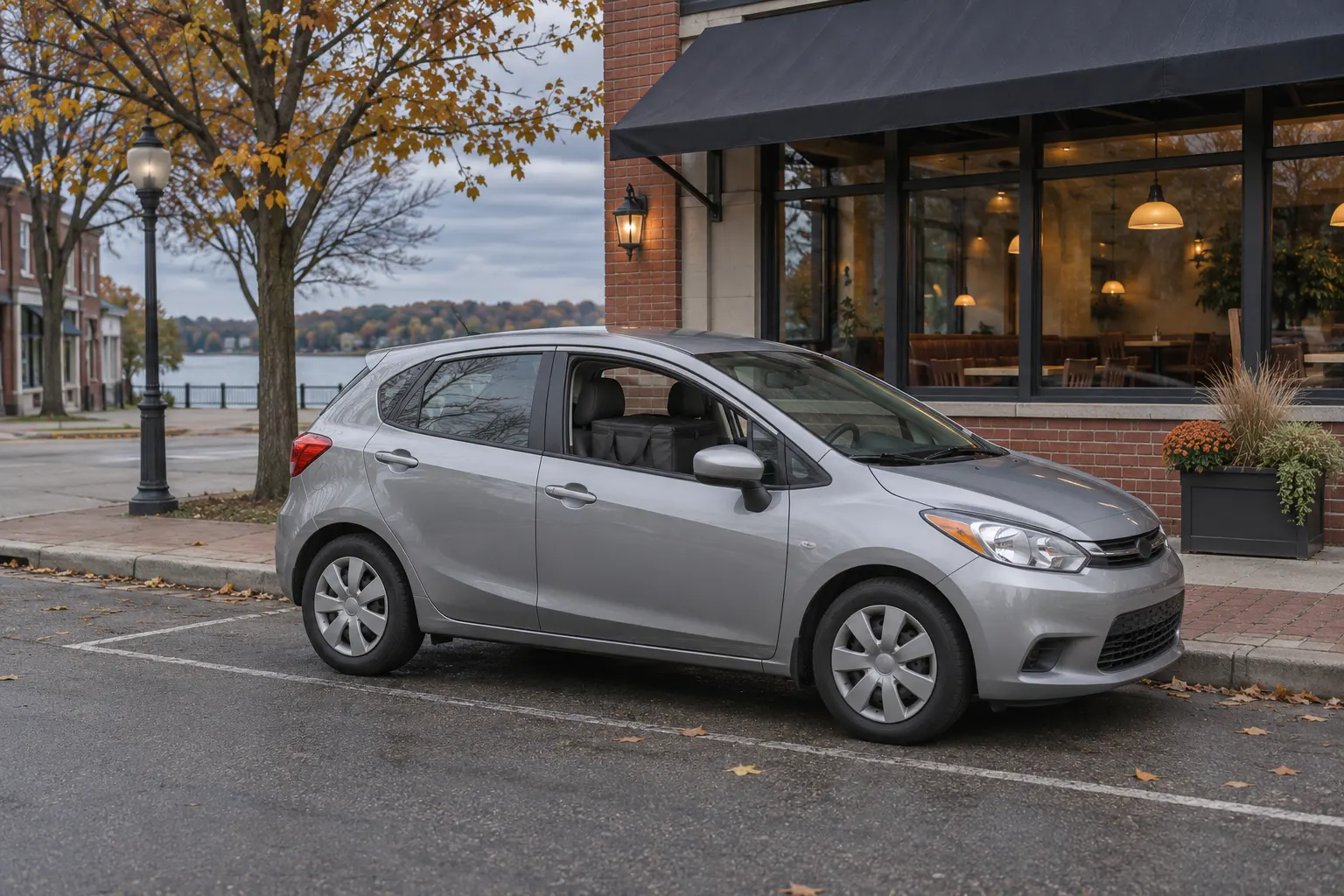
Yes. A crash report number, witness, or description of where the driver stopped can help us start. Tell us if there was a delivery bag, a pickup at a nearby restaurant, or anything the driver said about an order.
Yes. Some delivery policies cover different periods depending on whether the driver was waiting for a request, heading to a pickup, or making the drop-off. The driver’s app history can show when those steps happened.
Yes. Tell us which app or restaurant you were delivering for and whether the crash happened in your own car. We can discuss which policies to check for your injuries and any lost work.
Ask for the denial in writing and save the policy language the insurer cites. Another policy may apply, depending on who arranged the delivery and what the driver was doing.
Start with where the order was placed and who sent the driver to pick it up.
DoorDash, Uber Eats, or a grocery app such as Instacart may have the order history. If the driver was using more than one app, records from each may help identify which order was active.
The restaurant’s receipt, shift schedule, or delivery log may show who took the order and where the driver was sent.
Find out whether the driver was offline, waiting for a request, or making an accepted delivery. Those times help you ask each insurer about the right part of its policy.
A personal policy may have terms that exclude paid delivery. Delivery liability coverage can depend on the platform, the driver’s activity at the time, and the policy in effect. Read the Michigan DoorDash insurance guide if DoorDash handled the order.
If a car hit you, a policy in your household may be a starting point for PIP. If there is no applicable household coverage, the Michigan Assigned Claims Plan may be an option depending on eligibility.
Michigan law has a separate written-notice rule for No-Fault benefits. A report to a delivery app and notice to an insurer are separate steps. Keep copies and dates of both, and get the timing for your claim checked promptly.
How DoorDash describes coverage during an accepted order and what to do after a denial.
How Michigan No-Fault law determines which insurer to contact for PIP benefits.