
Lansing police fatally shoot 29-year-old man on Jolly Road
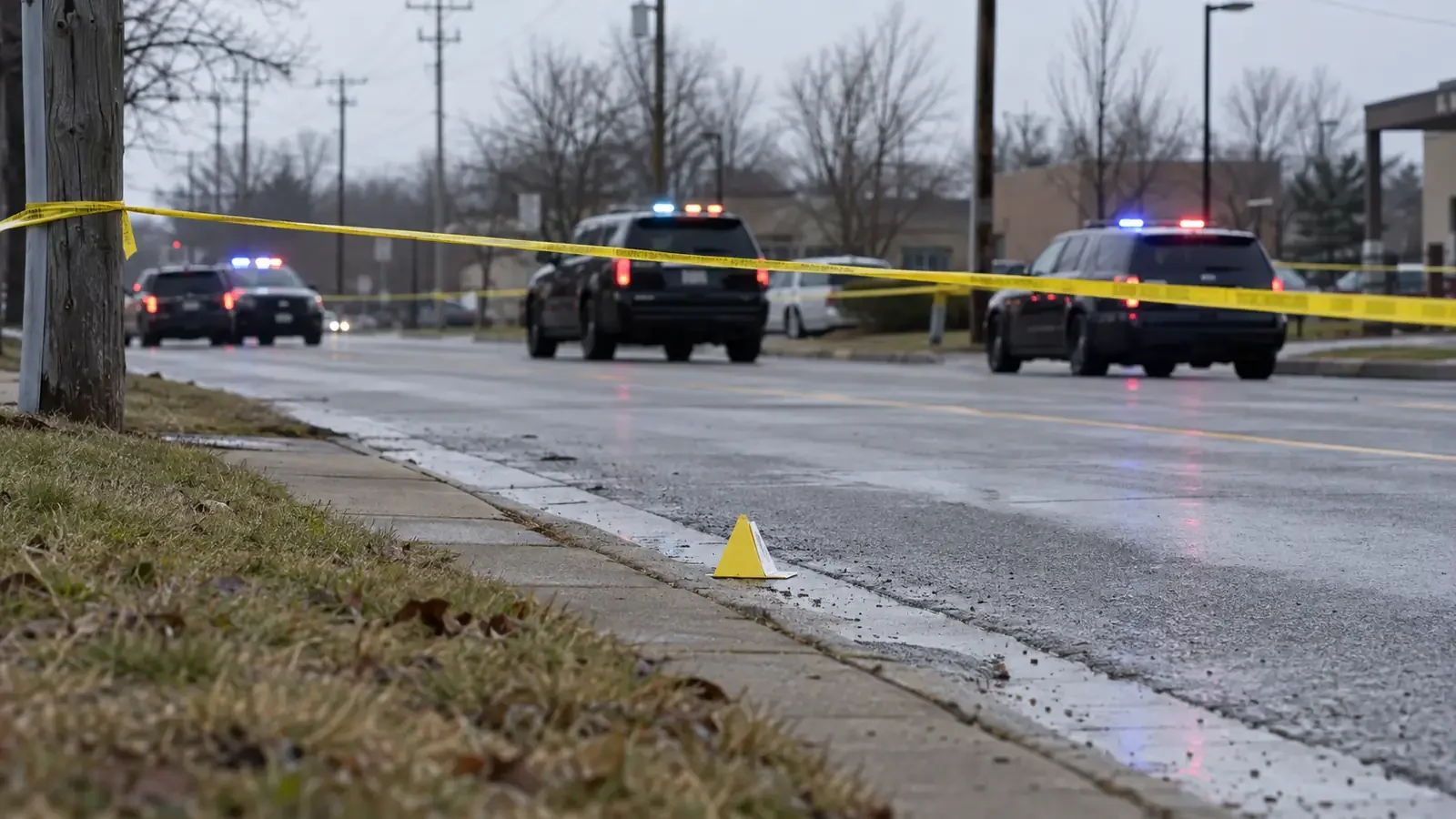
LANSING, Mich. — A 29-year-old Lansing man was shot and killed by Lansing Police Department officers early Wednesday. Police say he pointed a handgun at them. The Michigan State Police are now investigating.
At about 4:24 a.m., officers were sent to the 600 block of East Jolly Road, just east of Cedar Street. A 911 caller had reported a man with a handgun banging on doors and windows.
According to the department, officers found the man holding a gun to his head when they arrived. They talked with him for several minutes. Police say he then threatened to shoot himself or the officers. Officers tried to stop him with a Taser. The department says he ran, then stopped, turned around and pointed his gun at them, and officers fired.
Officers and Lansing Fire Department personnel gave first aid, but the man died at the scene. A firearm was recovered. No officers or residents were hurt, and police say there is no ongoing threat to the public.
"I have been in contact with both parents of our deceased subject today," Lansing Police Chief Rob Backus told reporters. "I've expressed our condolences on behalf of myself and the department and our overall sadness for this tragic event."
"We know there is a mental health component to this, but in terms of what the background is, we don't know that," he said. The department also does not know whether drugs or alcohol were involved.
Seven officers are on administrative leave under department policy. Under that same policy, the Michigan State Police took over the investigation and now hold the evidence. The East Lansing Police Department and Ingham County Sheriff's Office also responded.
A neighbor told a reporter he heard what sounded like firecrackers around 5 a.m.
Police have not released the man's name. The department says it plans to release body camera video later but has not given a date.
When can police use deadly force in Michigan?
Police can use deadly force only when an officer has probable cause to believe a person poses a threat of serious physical harm to the officer or others. The U.S. Supreme Court set that limit in Tennessee v. Garner, and it applies to every Michigan police department through the Fourth Amendment. Courts judge the decision by what a reasonable officer at the scene would have understood, not by the officer's intentions or by hindsight.
Courts also look at the whole encounter, not just the moment shots were fired. In Barnes v. Felix, the Supreme Court held in 2025 that courts must weigh the totality of the circumstances, including earlier events that shaped how a reasonable officer would have responded. That makes body camera video and records of how officers approached the person, what they said and whether they tried less-lethal options important in any later court review. The Court left open whether an officer's own earlier actions that helped create the danger can make the force unreasonable.
Civil rights claims after a fatal police shooting
A criminal review and a civil lawsuit are separate. Prosecutors decide whether to file charges and must prove a crime beyond a reasonable doubt. A civil case asks whether the force violated the person's constitutional rights and uses a lower burden of proof. A decision not to charge an officer does not end a possible civil claim, and a criminal charge does not by itself establish civil liability.
The federal civil rights law known as Section 1983 allows a lawsuit against someone who violates a constitutional right while acting under government authority. Michigan Legal Center explains how Section 1983 civil rights claims work in Michigan, including who can be sued and what a claim must prove. Officers can raise qualified immunity, which protects them unless they violated a clearly established right. A city is liable only when its own policy, custom or failure to train caused the violation, not simply because it employed the officer. Michigan's governmental immunity law can limit state-law claims against cities and officers, but it does not bar a federal civil rights claim.
When a person dies, Michigan's wrongful death law, MCL 600.2922, requires the claim to be brought by the personal representative of the person's estate. Damages can include medical and funeral expenses, lost financial support and the family's loss of the person's companionship.
Get help from Michigan Legal Center
Michigan Legal Center: the Law Offices of Christopher J. Trainor & Associates handles police misconduct, excessive force and wrongful death claims across Michigan. If someone you love was killed or injured during a police encounter, you can contact Michigan Legal Center to ask whether the matter is within its practice areas.
There is no attorney fee unless money is recovered for you. Case costs and fee terms are governed by the written fee agreement.
Michigan Legal Center also explains when police use of force becomes illegal excessive force under Michigan and federal law.