
Jackson police shooting leaves 16-year-old critically injured
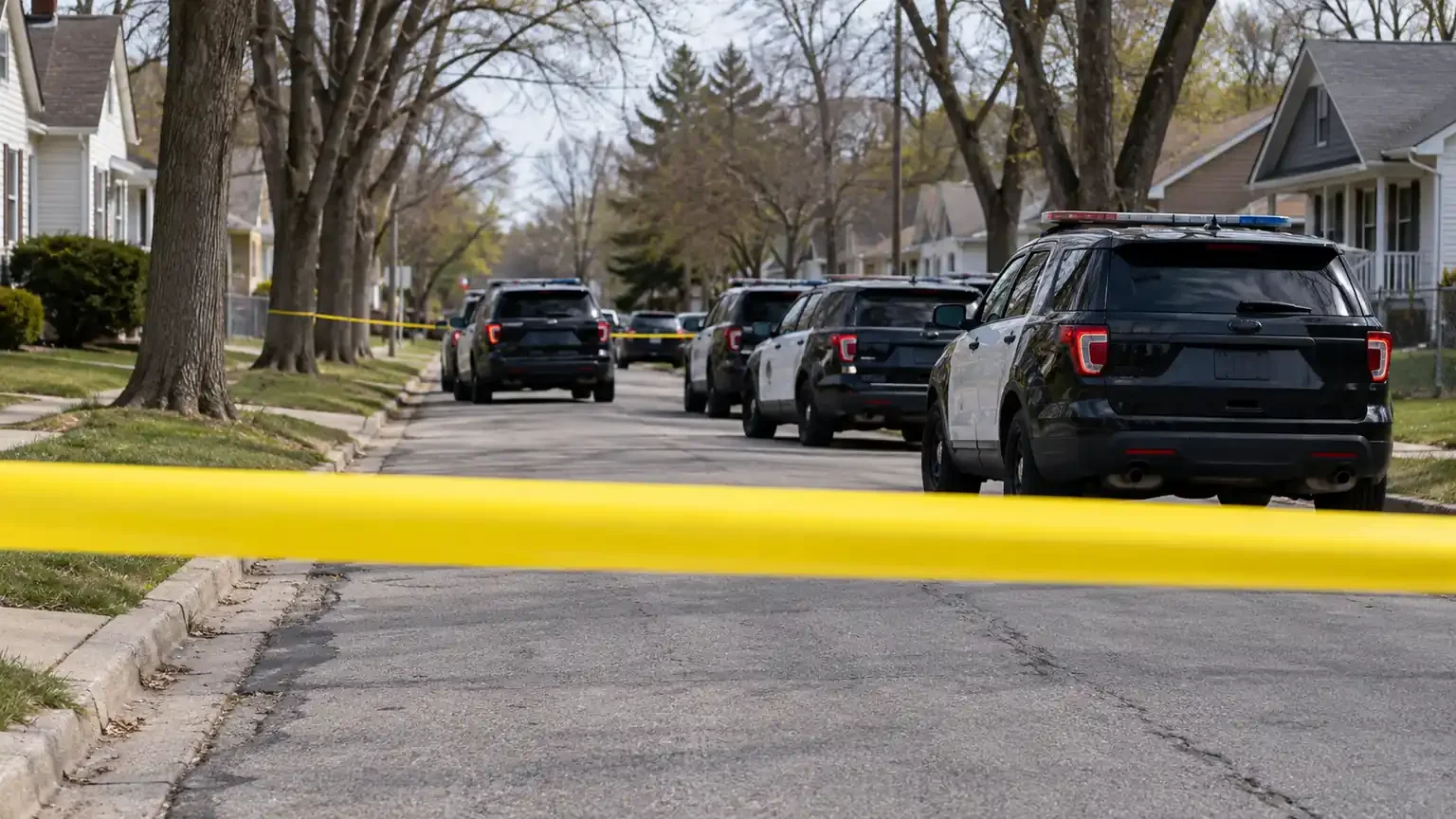
A 16-year-old boy was shot by Jackson police and hospitalized in critical condition Wednesday, Oct. 14.
Officers were dispatched at about 2:43 p.m. to the 600 block of North Blackstone Street for a welfare check on a juvenile reported missing, Jackson Police Chief Christopher Simpson said. They found the teen nearby.
Stephanie Blass, 14, said she was sitting outside with him when officers arrived. She said he repeatedly refused to go to the hospital and didn't answer when officers asked whether he had a weapon.
Her uncle, Donald Kryza, said he and a counselor from LifeWays Community Mental Health spoke with the teen as officers tried to calm the encounter.
“And they were telling him, begging him, ‘Please get your left hand out of your pocket,’” Kryza said.
Police said the teen pulled out a handgun and ran. During the foot chase, he pointed the gun directly at officers, who then shot him.
Emergency responders took him to Henry Ford Hospital. Blass said she had gone inside before the gunfire and began crying when she heard it.
Two Jackson Police Department officers were involved. Neither was injured, and both were placed on administrative leave under department policy.
Michigan State Police District 1 is conducting the criminal investigation. Jackson police said the investigation remains preliminary and ongoing.
When can police use deadly force in Michigan?
Police use of deadly force must be reasonable under the Fourth Amendment. Courts assess the decision from the perspective of a reasonable officer at the scene, based on the circumstances known at the time, rather than hindsight.
Running from police alone doesn't justify a shooting. In Tennessee v. Garner, the U.S. Supreme Court held that deadly force to prevent escape requires probable cause to believe the person poses a significant threat of death or serious physical injury to officers or others. The force must be necessary to prevent escape, and officers must give a warning when feasible.
The circumstances leading up to the shooting also matter. In Barnes v. Felix, the Supreme Court rejected a rule that limited review to the precise moment an officer perceived a threat. Earlier events can help explain whether the officer reasonably understood a person's actions as dangerous.
Body camera recordings, dispatch audio and witness accounts can help establish what officers knew, what warnings they gave and how the encounter developed. Michigan Legal Center explains how those records can support an assessment of whether police force was excessive.
Get help from Michigan Legal Center
Michigan Legal Center: the Law Offices of Christopher J. Trainor & Associates handles police misconduct, excessive force and civil rights claims. If you or someone you love was injured during a police encounter, contact Michigan Legal Center to ask whether the matter is within its practice areas.
There is no attorney fee unless money is recovered for you. Case costs and fee terms are governed by the written fee agreement.