
Four juveniles injured in crash following police chase
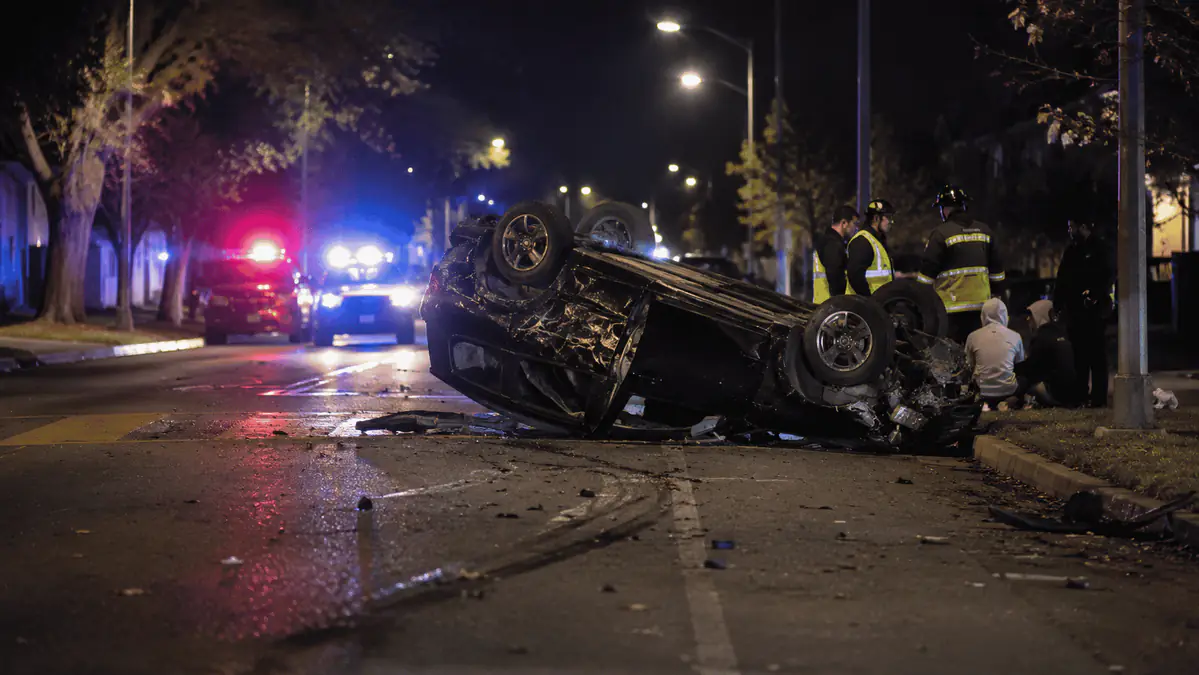
Late Monday night four juveniles were injured in a single vehicle crash following a police car chase.
Officers with the Blackman-Leoni Department of Public Safety are investigating the crash which occurred on Monday, June 22, at around 11:20 p.m. The incident began when officers initiated a traffic stop near Elm and O’Leary Streets while investigating a report of a stolen vehicle.
Police said the vehicle initially pulled over but then fled. After traveling about a mile from the original stop, the vehicle crashed and rolled over.
Four male juveniles were in the car when it crashed, and one was transported to a local hospital for treatment. The other three sustained minor injuries. No other vehicles were involved in the crash. The incident is still under investigation.
What Happens When a Police Chase Ends in a Crash?
Crashes involving police vehicles can raise legal issues that do not apply in ordinary car accident cases. Fault may depend on the actions of the fleeing driver, the pursuing officers, other drivers and the government agencies involved in the pursuit.
Police officers also have limited emergency-driving privileges in certain situations, including responding to emergency calls or pursuing a suspect.
The Michigan Supreme Court’s decision in Robinson v. City of Detroit draws a legal distinction between crashes caused by the operation of a police vehicle and crashes caused by a fleeing suspect’s vehicle. That distinction can affect whether governmental immunity applies and what a plaintiff must prove.
Fleeing and eluding police is a crime when a driver willfully fails to stop after being signaled by an officer in an identified police vehicle. A fleeing driver may be civilly liable for injuries caused by speeding, running red lights, driving recklessly, ignoring police commands or putting others in danger.
Michigan law generally protects government employees from tort liability while they are acting within the scope of their employment unless their conduct amounts to gross negligence.
Gross negligence claims may be supported demonstrating that an officer violated pursuit policy, continued a dangerous chase for a minor offense, pursued in crowded urban areas, ignored supervisor orders or created an unreasonable danger to the public.
Governmental immunity
Police misconduct can be a complex issue when it comes to protecting rights because governmental immunity may limit state-law claims. Michigan law generally gives governmental agencies broad immunity when they are performing governmental functions, with limited statutory exceptions.
Federal civil rights claims are different. Under 42 U.S.C. Section 1983, a person may sue state or local officials who violate a person’s federal rights while acting under government authority.
A city or county is not automatically liable for an officer’s conduct. Liability usually requires a policy, custom or failure to train.
Michigan Legal Center can help you understand how these claims are reviewed, see our guide to Michigan excessive-force claims and our civil rights practice pages.