$2.8M
Dog knocked a woman down, causing a brain injury
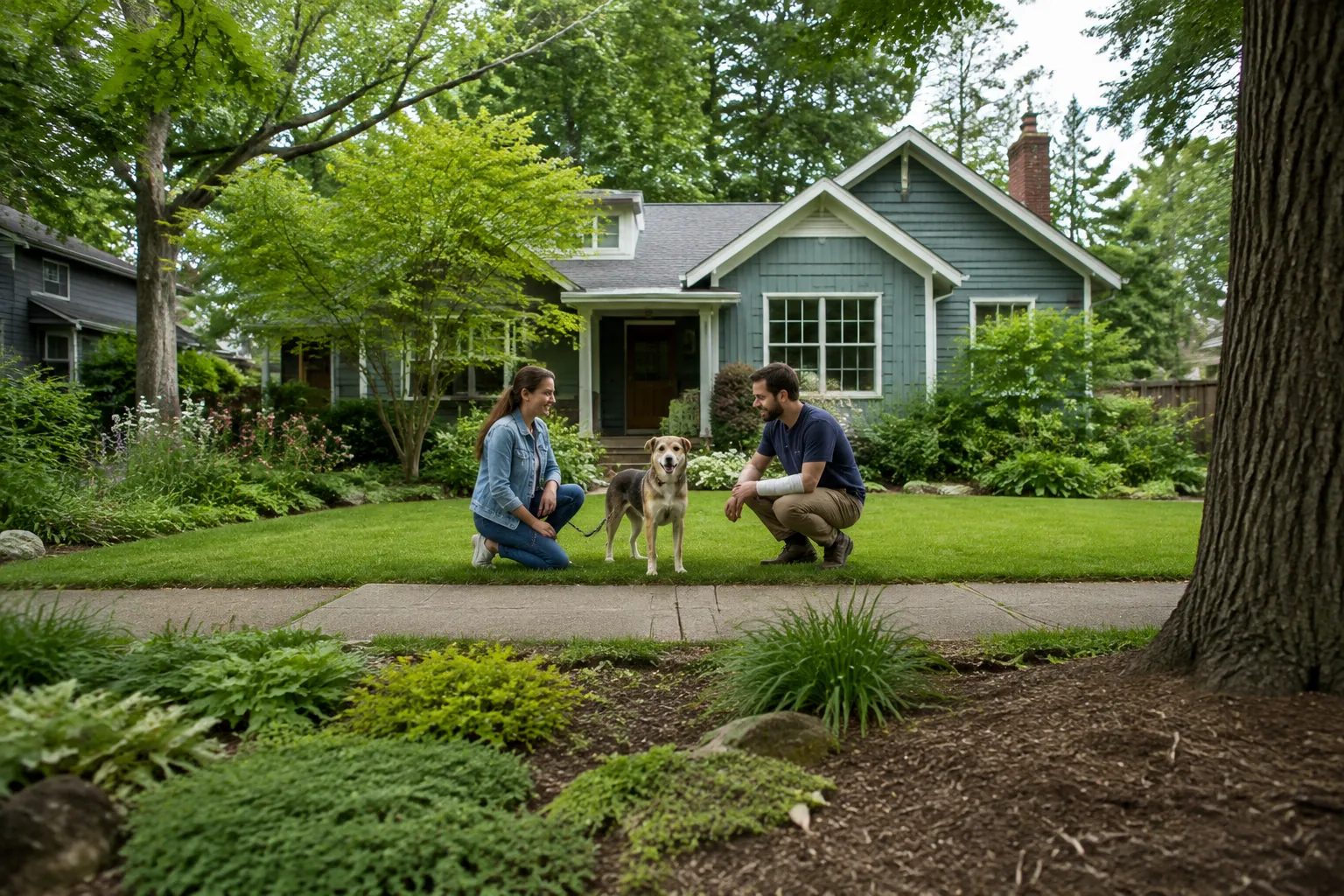
A pit bull knocked the client down, causing a minor traumatic brain injury.

Southfield office · Serving Detroit and Wayne County
Hurt by a dog? Get help organizing owner information, incident reports, medical records, and insurance questions. Start with a free review of what happened in Detroit.
Start with what you know: when and where it happened, how you were affected, and any reports or messages you have. You do not need a complete file before contacting us. We can explain what else may matter, which records to look for, and whether we can help.
Call about a Detroit matter when a dog bite caused medical care, scarring, infection risk, nerve or orthopedic injury, counseling, work loss, or a dispute about ownership, lawful presence, provocation, or insurance. The first Detroit review identifies the dog and statutory owner, exact bite sequence, lawful presence, provocation evidence, animal-control and veterinary records, other responsible actors, insurance, medical care, scarring, and losses. The Michigan dog bite guide explains the statewide law and how it may apply to your situation.
Animal identity, ownership, licensing, quarantine, veterinary, scene, video, clothing, witness, landlord, delivery, insurance, and treatment records may be held in separate systems and can change quickly.
Read the legal detailsIt costs nothing to learn where you stand. Call (248) 886-8650 or start a free case review.
The cases. The work.
The difference it made.
$2.8M
A pit bull knocked the client down, causing a minor traumatic brain injury.
$520K
A dog ran into the road and struck Bobby’s motorcycle. His injuries required hip surgery; we recovered the full liability and medical-pay policy limits.
Keep copies of what you already have. The local records map below explains who may hold additional evidence and what we still need to confirm.
Animal-control, police, health, licensing, ownership, and veterinary records may help identify the dog and document the response.
Keep photos, clothing, witness details, and messages. Video and enclosure or leash evidence may help explain the incident.
Ownership, residence, property-control, and policy records may help identify the people and coverage involved.
Detroit departments, Wayne County, MDOT, DDOT, private property operators, employers, landlords, vendors, and insurers can hold different parts of the record. The statutory claim requires proof about the dog, its owner, the bite, lawful presence in a public place or lawfully on private property, and provocation. Common-law or property theories involving another actor require separate duty and notice evidence.
| Evidence | Possible holder | Why it may matter |
|---|---|---|
| Animal-control, police, health, quarantine, licensing, ownership, and veterinary records | Detroit Animal Care and Control, Detroit Police, city health officials, veterinarians, landlords, and treating providers | These records may help identify the dog, owner, reported circumstances, vaccination or quarantine response, and witnesses without making an agency conclusion binding in the Detroit civil claim. |
| Scene photos, clothing, leash or enclosure evidence, video, communications, and witness accounts | The injured person, dog owner, property occupants, neighbors, delivery or service companies, landlords, and DDOT and QLINE vehicles, downtown and neighborhood businesses, parking systems, event properties, apartment buildings, hospitals, residences, dashcams, and doorbells | They can address the precise contact, lawful presence, provocation allegation, control of the dog, notice to other actors, and how the incident unfolded. |
| Ownership, residence, property-control, rental, keeper, and insurance records | Dog owner or keeper, landlords, property managers, tenants, Wayne County property records, homeowners or renters insurers, and employers | Statutory owner liability and any common-law, landlord, employer, or property theory should be kept distinct and supported by the actual relationship and policy language. |
| Emergency, wound, infection, scarring, nerve, orthopedic, counseling, wage, and daily-impact records | Detroit Medical Center hospitals, Henry Ford Hospital, Corewell Health Dearborn Hospital, rehabilitation providers, and the Wayne County Medical Examiner; later physicians, therapists, pharmacies, employers, family members, and the injured person | The file should document treatment and physical or psychological effects while avoiding promises about diagnosis, permanency, or claim value. |
The exact scene helps identify where to look for reports, video, witnesses, and other records.
Detroit Animal Care and Control accepts animal-related service requests; DPD, city public health, landlords, owners, witnesses, veterinarians, and treating providers may maintain other records. Detroit departments, Wayne County, MDOT, DDOT, private property operators, employers, landlords, vendors, and insurers can hold different parts of the record. Detroit cases can involve dense freeway traffic, neighborhood intersections, city and county agencies, commercial fleets, public transportation, local businesses, and evidence spread across several Detroit and Wayne County record systems.
The broader service area includes Detroit, Highland Park, Hamtramck, Dearborn, Redford Township, Grosse Pointe communities, and surrounding Wayne County. Local care can include Detroit Medical Center hospitals, Henry Ford Hospital, Corewell Health Dearborn Hospital, rehabilitation providers, and the Wayne County Medical Examiner. Potential courts include Wayne County Third Circuit Court, Wayne County Probate Court, Detroit district courts, and the U.S.
District Court for the Eastern District of Michigan, although venue and the proper parties must be verified for the actual claim.
The statutory claim requires proof about the dog, its owner, the bite, lawful presence in a public place or lawfully on private property, and provocation. Common-law or property theories involving another actor require separate duty and notice evidence. We identify DPD, MSP, Detroit Fire and EMS, Wayne County, business-camera, vehicle, employer, medical, court, and insurance records that fit the actual incident instead of relying on one report or one agency account.
Detroit Animal Care and Control accepts animal-related service requests; DPD, city public health, landlords, owners, witnesses, veterinarians, and treating providers may maintain other records. Possible official and private holders include Detroit Animal Care and Control, Detroit Police, city health officials, veterinarians, landlords, and treating providers. An agency action does not decide every civil element.
Statutory owner liability, common-law duties, property or employment issues, health response, insurance, and damages should not be collapsed into one theory across Detroit, Highland Park, Hamtramck, Dearborn, Redford Township, Grosse Pointe communities, and surrounding Wayne County.
Statutory owner liability, provocation, common-law negligence, landlord or keeper theories, public-health response, insurance, and damages are separate issues. A report, quarantine, breed, or prior history does not decide the civil claim.
MCL 287.351 requires proof of the dog, owner, bite, no provocation, lawful presence, causation, and damages; it does not require proof of former viciousness or owner knowledge.
Common-law negligence and possible keeper, landlord, employer, or property theories require their own duty, control, notice, breach, and causation evidence.
Reporting, quarantine, veterinary facts, homeowners or renters coverage, treatment, infection, scarring, nerve or orthopedic injury, counseling, work loss, and daily effects should remain distinct.
Answer five short questions to organize the timing, harm, possible claims, evidence risk, and current status. There is no sign-up and no dollar estimate. Your answers are included only if you submit the free case review below. The result is general information, not legal advice.
Question 1 of 5
A dog-bite claim may require evidence about ownership, lawful presence, provocation, insurance, treatment, scarring, and other losses. Statutory, common-law, and property claims have different requirements.
MCL 287.351 addresses owner liability for a bite without provocation when the injured person is in a public place or lawfully on private property, regardless of former viciousness or owner knowledge.
Provocation should be evaluated from complete movements, conduct, warnings, video, witness, and animal evidence rather than inferred from the dog reacting or from a short report.
Common-law negligence, landlord, keeper, employer, property, insurance, medical, comparative-fault, and limitations questions require separate supported facts.
Record the precise location, date and time, movement or activity, condition or animal, people present, report, photographs, witnesses, care, and insurer contact while memory and evidence are fresh.
We identify who holds the incident reports, video, property or vehicle records, and medical evidence listed above. We then request and preserve the relevant material, checking where each record came from and what it can establish.
Michigan’s dog-bite statute does not cover every animal incident. Breed alone does not establish ownership, dangerousness, fault, or damages. A report, quarantine, citation, prior complaint, or lack of a prior bite does not automatically resolve statutory liability, provocation, common-law negligence, insurance, or injury value. Michigan Legal Center has no physical Detroit office. Detroit clients are served through the Southfield office. Call before visiting or ask about a phone or video consultation.
Apply the correct Michigan law to the verified Detroit facts, parties, policies, public actors, medical proof, work or daily effects, liens, and claim-specific deadlines before any release.
In their own words. Read what clients and families say about working with our team.
We have not gone to trial yet, but for the past 2 years I wouldn't choose anyone else to stand behind me and my child. If you want injury lawyers and team members who actually care, CHOOSE Christopher Trainor.
Dealing with insurance companies and medical billing is always a pain in the but and didn’t want anyone taking advantage of me and my situation. This team is number 1 in my book.
I recently had the pleasure of working with Chris Trainor, Amy DeRouin and their dedicated team regarding two personal claims. I cannot recommend them highly enough! From our very first consultation, it was clear that I was in capable and caring hands. I would trust them with any personal legal matter.
Send the basics. We will check the facts, coverage, deadlines, evidence, and whether hiring us makes sense. No obligation.
Serving Detroit, Highland Park, Hamtramck, Dearborn, Redford Township, Grosse Pointe communities, and surrounding Wayne County.
Call before visiting so the team can confirm the right meeting location and time.
Every case at Christopher Trainor & Associates is a team effort. Our attorneys collaborate on strategy, discovery, and litigation so you get the full strength of the firm behind you—not just a single lawyer. We have built our practice on this collaborative model since 1989.
Meet Our Attorneys